
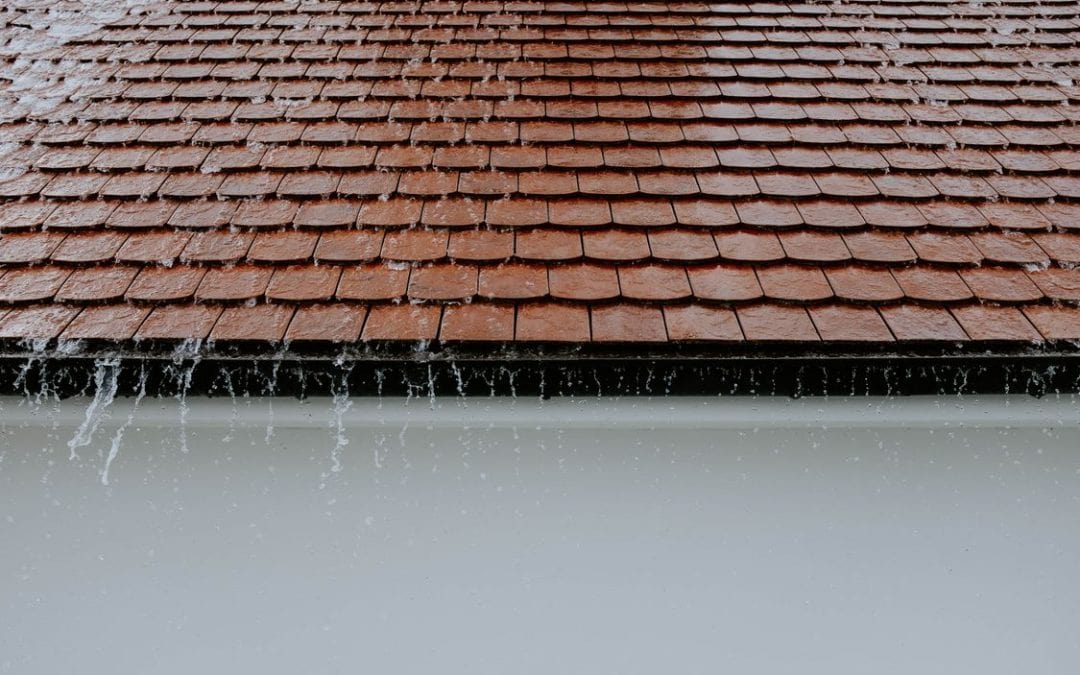
The summer of 2024 delivered two catastrophic floods to the GTA in as many months, and the August event hit Peel Region squarely. For homeowners in Mississauga and Etobicoke, it was a hard lesson in how rainfall finds the weak points in a roof, not just the weak points in a basement.
Flooding is almost always framed as a ground-level problem, a story about storm sewers and sump pumps. But a roof in a true downpour is under its own kind of assault, and many homeowners learned that the hard way that August.
The event and its toll
Two days of heavy rain and thunderstorms in mid-August caused over $100 million in insured damage across Mississauga, Etobicoke, and other parts of the GTA, with a tornado also confirmed in nearby Ayr that same weekend.
Rainfall that intense does not behave like ordinary rain. It overwhelms roof drainage, backs up behind clogged valleys and gutters, and pressurizes seams and penetrations that handle normal weather without complaint. The roofs that struggled were not necessarily old or obviously failing; they were simply not built for water arriving that fast.
Where the water gets in
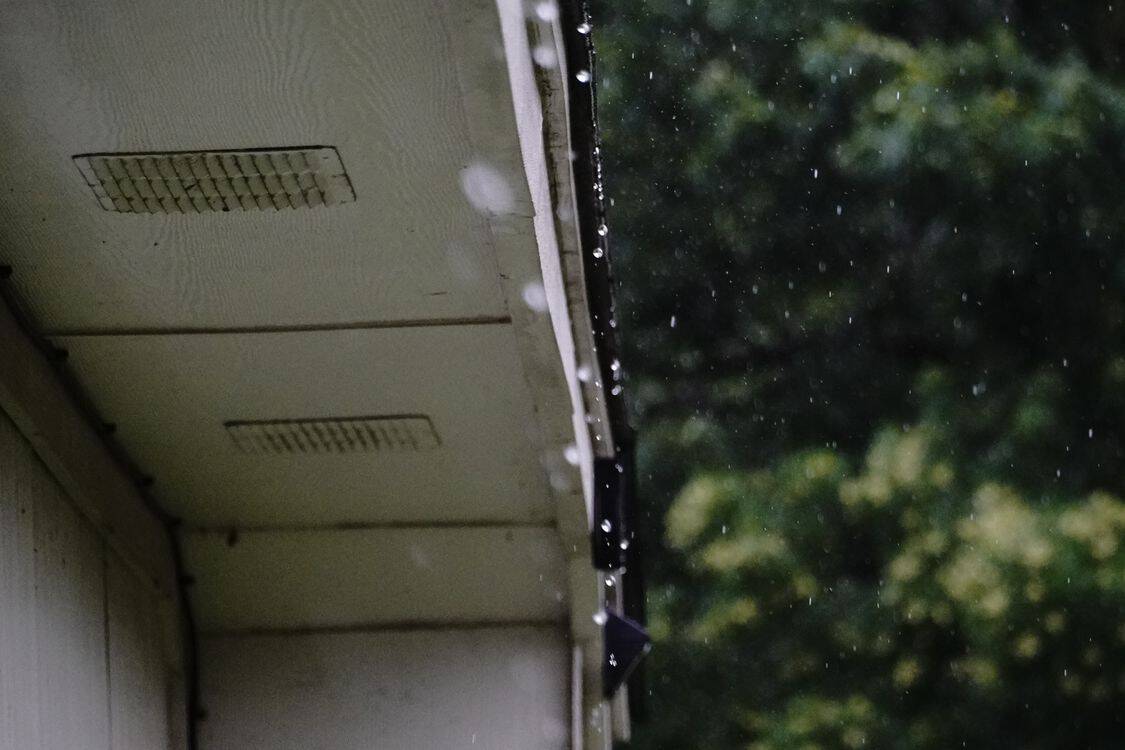
The vulnerable points are predictable, which is what makes them addressable. On the flat and low-slope roofs common on many GTA homes and rear additions, undersized or blocked drainage is the first culprit: water pools where it should run off, then finds the nearest seam.
On sloped roofs, the failures cluster at worn flashing where the roof meets walls and chimneys, and at penetrations around vents, pipes, and skylights where old sealant has cracked. The damage often appears later as a ceiling stain with no obvious source, the delayed signature of water that got in during the storm and travelled along the deck before dropping.
Why drainage detailing is the fix
On a low-slope Mississauga roof, drainage is not a minor detail; it is the entire defence against a cloudburst. Proper slope toward the drains, adequately sized drains and scuppers, clean valleys, and well-terminated membrane edges are what keep water moving off the roof instead of through it.
This is technical, unglamorous work, and it is exactly where bargain installs cut corners because the shortcuts are invisible in dry weather. Homeowners with flat or low-slope roofs are well served by choosing an installer with genuine low-slope experience and asking specifically how they handle drainage, valleys, and membrane terminations.
Building for the storms that keep coming
These intense rain events are becoming a regular feature of GTA summers rather than once-a-decade anomalies, which changes the standard a roof should be built to. Designing drainage and flashing for the worst storm in years, not an average rain, is no longer over-cautious; it is prudent.
For a homeowner in Mississauga or Etobicoke, the takeaway from that August is concrete: when you re-roof, treat drainage, flashing, and membrane detailing as core work, not an afterthought tacked onto the end of the job. The roofs that stayed dry were the ones built that way, and the next deluge will sort the rest the same way the last one did.