
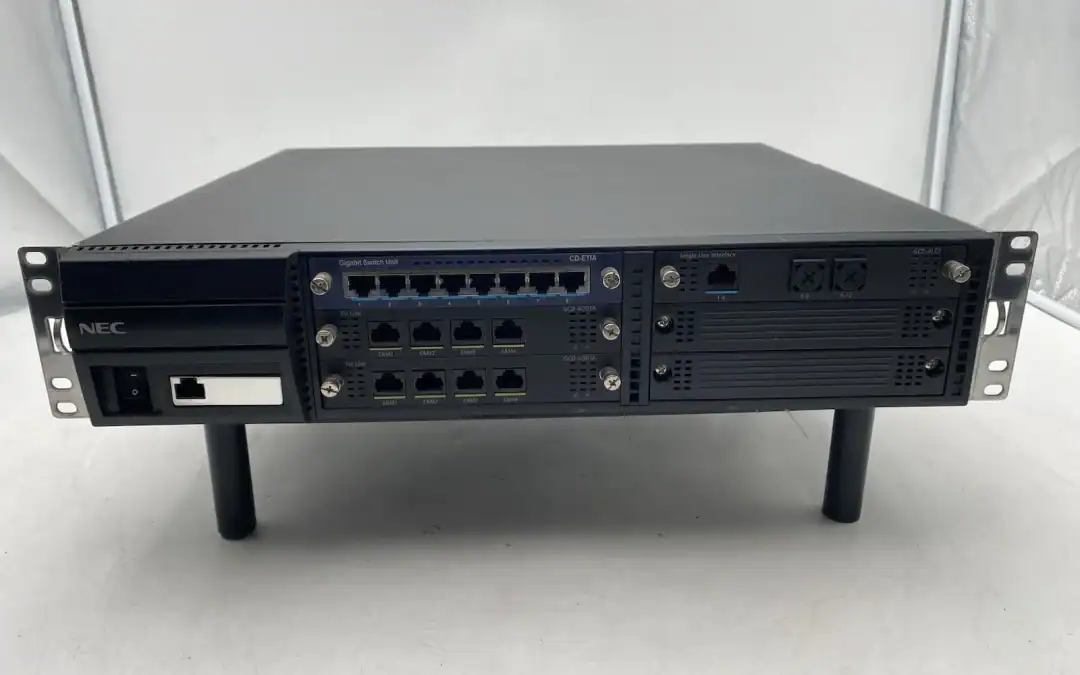
When NEC announced it was walking away from the on-premise phone business, the advice that followed was almost unanimous. Don’t panic, the reasoning went. NEC has a cloud product. Move your office onto UNIVERGE BLUE and you stay in the family.
It sounded clean. It was also, in a quiet way, already untrue. The cloud platform businesses were being pointed toward was not really staying with NEC either, and the story of where it went is a useful lesson in how little the name on a phone bill actually tells you.
The Cloud That Was Never Quite NEC’s
UNIVERGE BLUE did not spring from NEC’s own engineering. It was built through a partnership with Intermedia that began in 2020, with Intermedia supplying the underlying cloud communications technology and NEC putting its brand on the front.
For a few years that arrangement worked fine, and most customers never thought about the plumbing behind the logo. Why would they. The bill said NEC, the support said NEC, and the product did what it was supposed to.
Then in 2024 the structure came apart in the open. NEC announced its exit from premises-based communications, and in September of that year Intermedia signed a definitive agreement to assume NEC’s UNIVERGE BLUE cloud operations across North America, along with NEC’s partner relationships in Europe.
The handoff took effect October 1, 2024 in North America. From that date forward, the cloud product carrying NEC’s name in the United States was formally Intermedia’s business to run. NEC kept a role only in Japan and Australia.
So the recommended escape route for businesses leaving older NEC phone systems behind led to a service that NEC no longer operated in their region. The destination was real and the service kept running. But the company customers thought they were staying loyal to had already left the building.
A Brand That Kept Changing Hands
If the story ended there, it would be a footnote about co-branding. It didn’t end there.
On March 31, 2026, the investment firm 26North announced a definitive agreement to acquire Intermedia outright, buying the business from the funds that had owned it previously. The deal was set to close in the second quarter of 2026.
By that point Intermedia had become a substantial operation, a business generating more than $430 million in annual recurring revenue and serving over 150,000 business customers through more than 7,500 channel partners. This was not a struggling company being offloaded. It was a healthy one changing owners.
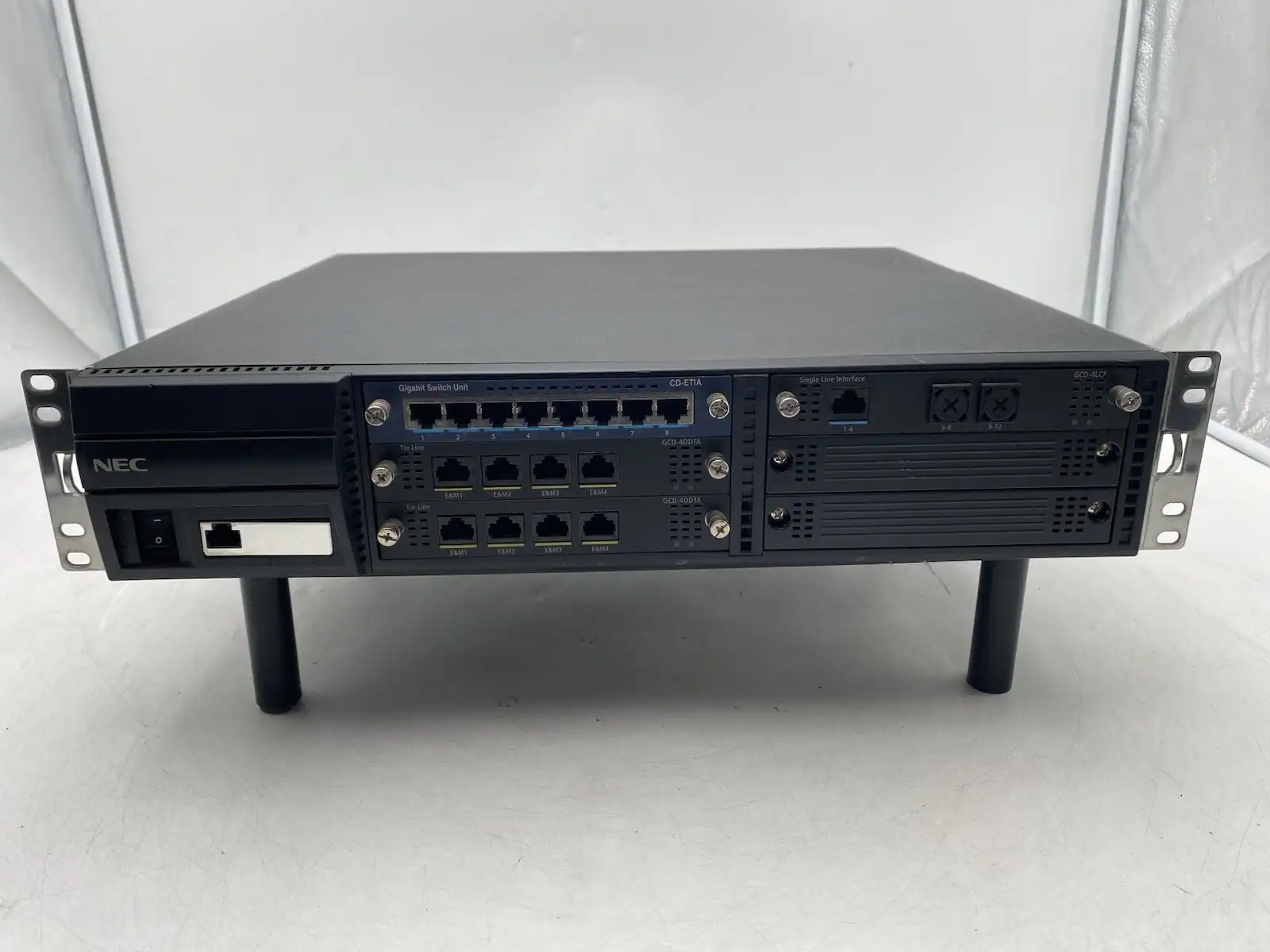
But trace the path a single small business traveled. It started on an NEC system, an SL2100 in a smaller office or an SV9100 in a larger one. It was advised to move to NEC’s UNIVERGE BLUE cloud. That cloud was operated by Intermedia, then formally handed to Intermedia, and Intermedia itself was then sold to a private equity platform. Three ownership structures in roughly two years, all sitting behind what looked from the customer’s chair like one steady decision to “go with the cloud.”
None of this means the service got worse. Ownership changes at the top often leave the day-to-day experience untouched, and the companies involved were at pains to stress continuity. The point is narrower and more useful. The brand on the contract is a poor proxy for who is actually behind it, and a poorer one still for how long they will be.
What the Churn Actually Means for a Small Office
For a business sorting out its options, the lesson is not cynicism about the cloud. The migration away from aging hardware is real and, by most measures, sensible. It is the lens that needs adjusting.
The instinct during a forced move is to anchor on the biggest, most familiar name and assume it equals stability. The NEC story shows why that instinct misleads. A recognizable brand can be a licensing arrangement, a reseller relationship, or an asset that trades hands between investors while the marketing stays frozen in place.
The more durable questions are smaller and less glamorous. Who actually answers the phone when support is needed. Who owns the customer contract, and what happens to it if the platform is sold again. Whether the phone numbers and configuration can be moved out cleanly if the relationship sours. Those answers tend to live with whoever installs and services the system locally, not with the logo on the invoice.
There is a structural detail worth noticing here. Intermedia’s model lets its channel partners retain ownership of the customer relationship, which is precisely the buffer that shields a small office from the turbulence happening three levels up. When the parent company changes hands, the local provider who set up the system is still the one the business actually deals with.
That is the real takeaway from NEC’s unwinding. The decision that protects a business is not which national brand it picks during the scramble to replace old NEC phone systems. It is whether there is a stable, accountable relationship close to the ground, with someone who will still be reachable after the next acquisition press release goes out.
Phone systems are supposed to be the boring, dependable layer a business never has to think about. The irony of the last two years is that the dependable part turned out to be the least predictable. The hardware in the closet kept working. It was the corporate structure behind the replacement that would not sit still.