
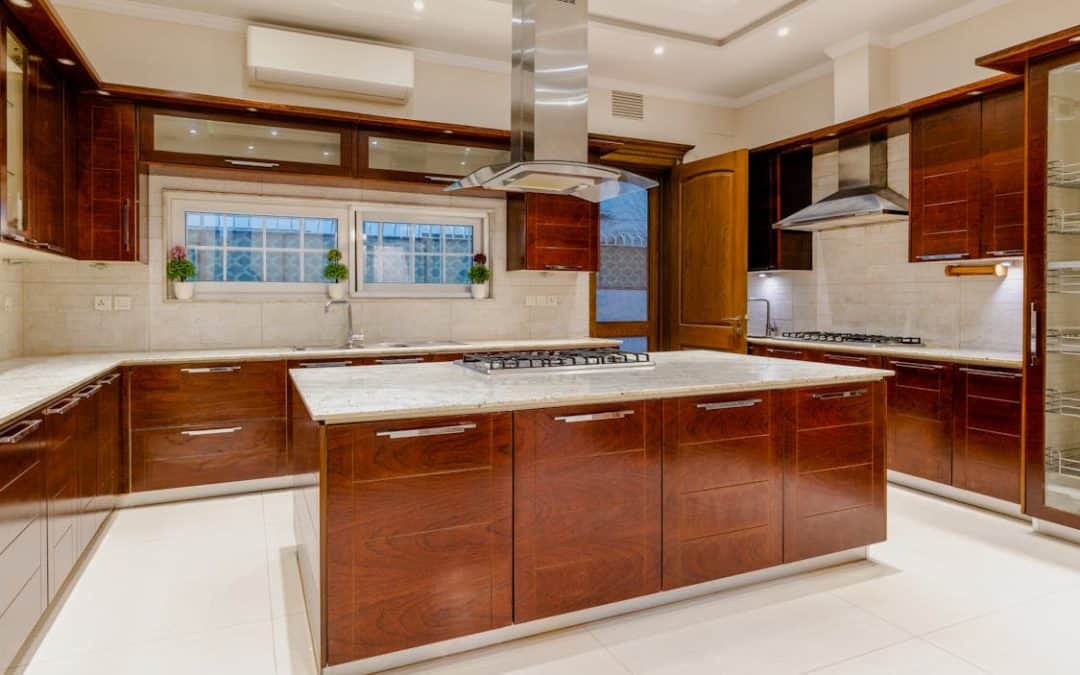
The kitchen often acts like the command center of a home and the cabinets are where form meets function in plain view. Investing in higher tier cabinets invites questions about cost, durability, style and long term value that are worth unpacking.
Some people want pieces that stand the test of daily life while others chase a look that elevates the whole space and signals quality. A quick walk through the options shows that the choice is about more than price alone and about how a home will be used and enjoyed.
Understanding High End Cabinets
High end cabinets are usually built with materials and processes that aim for longevity and a refined finish. The difference shows up in joinery details, the quality of the wood or composite, and the attention paid to hardware fit and finish.
Buyers who are shopping with the long term in mind often notice fewer repairs and a steadier appearance after years of use. At the same time the visual and tactile cues of quality can add daily pleasure beyond pure utility.
Material And Construction Differences
Premium units commonly use hardwoods, thicker panels and solid drawer boxes that resist sag and wear better over time. Plywood of higher grade often replaces lower cost particle board and that choice affects stability, screw retention and resistance to moisture.
Door construction is another point of departure with frame and panel work or fully veneered slabs that hide the grain in ways that feel consistent and durable. All these choices add to weight and cost but also to a sense of permanence in the kitchen.
Design And Customization Options
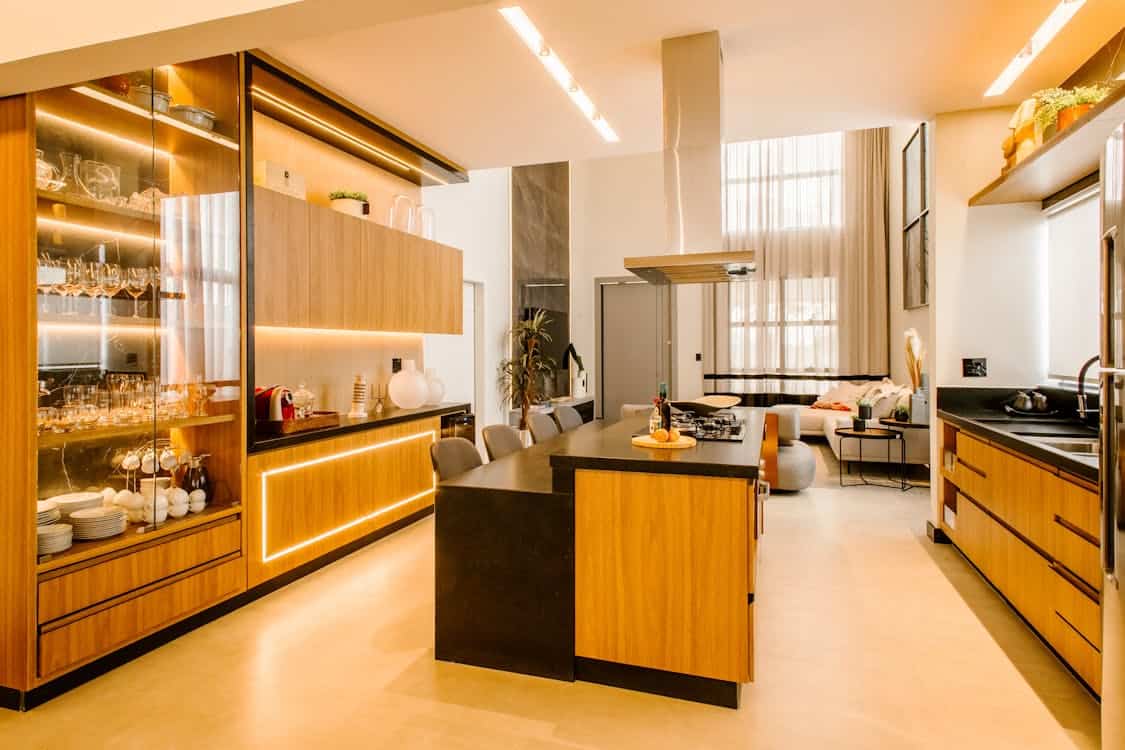
Custom work unlocks layouts and storage features that off the shelf pieces rarely provide and that can solve daily friction points with elegant solutions. Pullouts, deep drawers sized to fit specific cookware, integrated spice racks and appliance garages are examples of options that convert wasted space into useful real estate.
A skilled cabinet maker will tune dimensions to how a household cooks and lives and will match finishes so the kitchen reads as a coherent whole. That tailoring brings a premium yet it produces a cabinet set that fits the family rather than forcing the family to fit the cabinets.
Performance And Durability Over Time
Over a decade the small differences in hinges, drawer slides and substrate show up as creaks, gaps and loose screws or as smooth, consistent operation that keeps the kitchen feeling fresh. Higher grade hardware with soft close mechanisms and better bearings tends to outlast budget parts and to stay aligned when kids or high traffic push systems hard.
Paints and stains applied on sealed, well sanded surfaces resist chipping and fading far beyond finishes sprayed on cheaper substrate. Choosing premium kitchen design ensures that these features contribute to a kitchen that not only looks great but also functions seamlessly for years.
Cost Versus Long Term Value
The initial outlay for high end cabinets can be steep and that sticker shock is a real factor when planning a remodel under a budget. One way to think about the purchase is to spread the cost over the expected life span and to factor in fewer replacement cycles, less repair work and a potentially higher resale price.
There is also a psychological value in buying something that feels right and that reduces buyer regret which has its own practical weight in decision making. When budgets are tight it is common to mix higher grade base units with more economical upper units to get the best of both worlds.
Resale Value And Kitchen Appeal
A well executed kitchen lifts the whole home and attracts buyers who are willing to pay for quality finishes that save them from immediate renovation bills. Kitchens show frequently in photos and open house tours and a crisp, cohesive cabinet set will anchor the space in ways that paint alone cannot.
Real estate agents often report that kitchens with thoughtful storage and durable finishes have a tangible edge in competitive markets. The premium recovered is not always full cost but it does soften the financial sting of the original investment.
Environmental And Maintenance Factors
Choosing solid wood from certified suppliers and finishes with low volatile compounds reduces the ecological footprint and improves indoor air quality for the household. Repairable components and modular units keep materials in service longer and cut down on landfill waste compared with units that are tossed after minor damage.
Maintenance routines are straightforward with higher quality cabinetry and often involve basic cleaning and occasional hinge adjustment rather than full scale touch ups. The time saved on repair tasks is a hidden form of return that homeowners often appreciate.
When Lower Cost Units Make Sense
Not every home needs a top tier installation and there are many situations where a sensible, lower cost choice is perfectly valid and smart. Rental units, short term flips and rooms with heavy likelihood of change over the next few years are examples where reducing capital tied up in cabinets is prudent.
Entry level products have improved and can look attractive for a time while serving practical needs without demanding extensive care. In those cases the ability to replace down the road without major pain is itself a valuable option.
Tips For Making A Decision
Start by listing how the kitchen will be used, who uses it and what annoyances should be solved now rather than later and let function guide the budget allocation. Shop samples and hardware in person to feel the difference in drawer movement and door closure because what looks fine in a photo can act differently in daily use.
If choosing high end, budget for installation by experienced tradespeople since poor fitting will erode the benefits of quality materials. Finally, keep a short list of must have features and a longer list of nice to have items so choices can be prioritized without losing sight of the larger goal.