
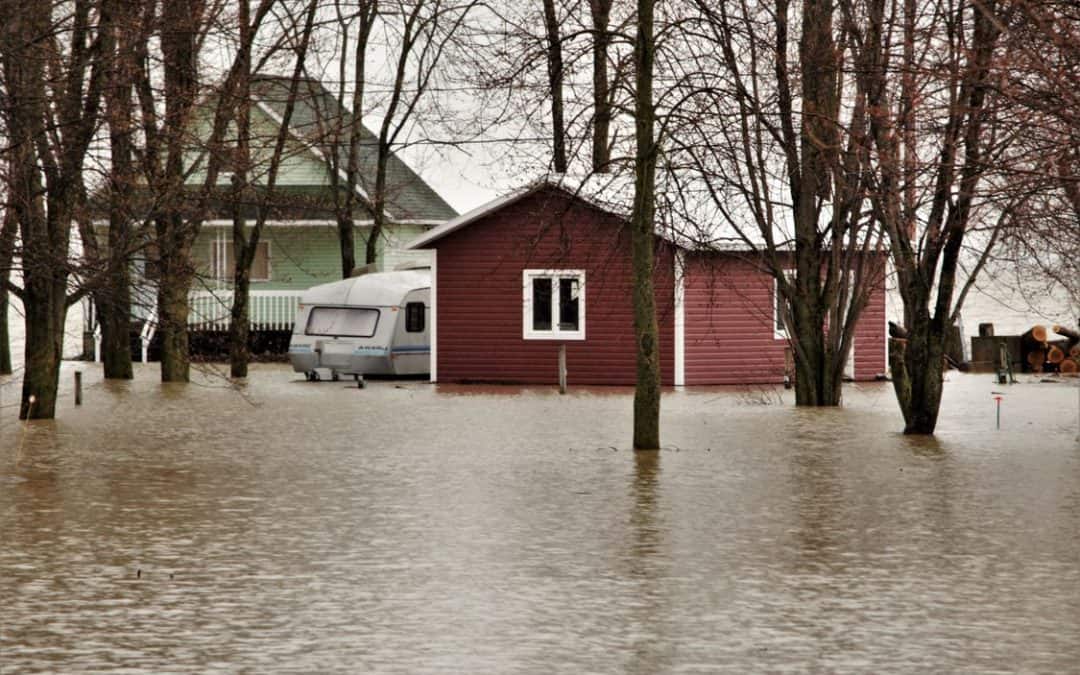
When people think about flood damage, they picture basements and storm sewers, not roofs. But the catastrophic July 2024 rainfall that swamped the GTA was also a stress test for the part of the house at the top, and a lot of roofs did not pass it.
A roof can shed ordinary Toronto rain for years and quietly hide its weak spots. A true deluge does not give it that luxury. It finds every gap at once, which is why a single extreme storm can produce leaks in homes that had never leaked before.
The scale of the event
The July flash-flooding event alone caused $940 million in insured damage, part of a summer that pushed Ontario’s flood losses past a billion dollars and ranked among the costliest on record.
Rain that intense does not just pool on the ground. It overwhelms roof drainage, backs up behind clogged valleys and gutters, and pressurizes every seam and penetration on the roof simultaneously. Water that would normally run off harmlessly instead gets pushed sideways and upward into places it is never supposed to reach.
Where roofs leak in a deluge
The failure points are predictable, which is the useful part. On flat and low-slope roofs, common across Toronto’s housing stock and rear additions, the first culprit is drainage that is undersized or blocked, so water ponds instead of leaving.
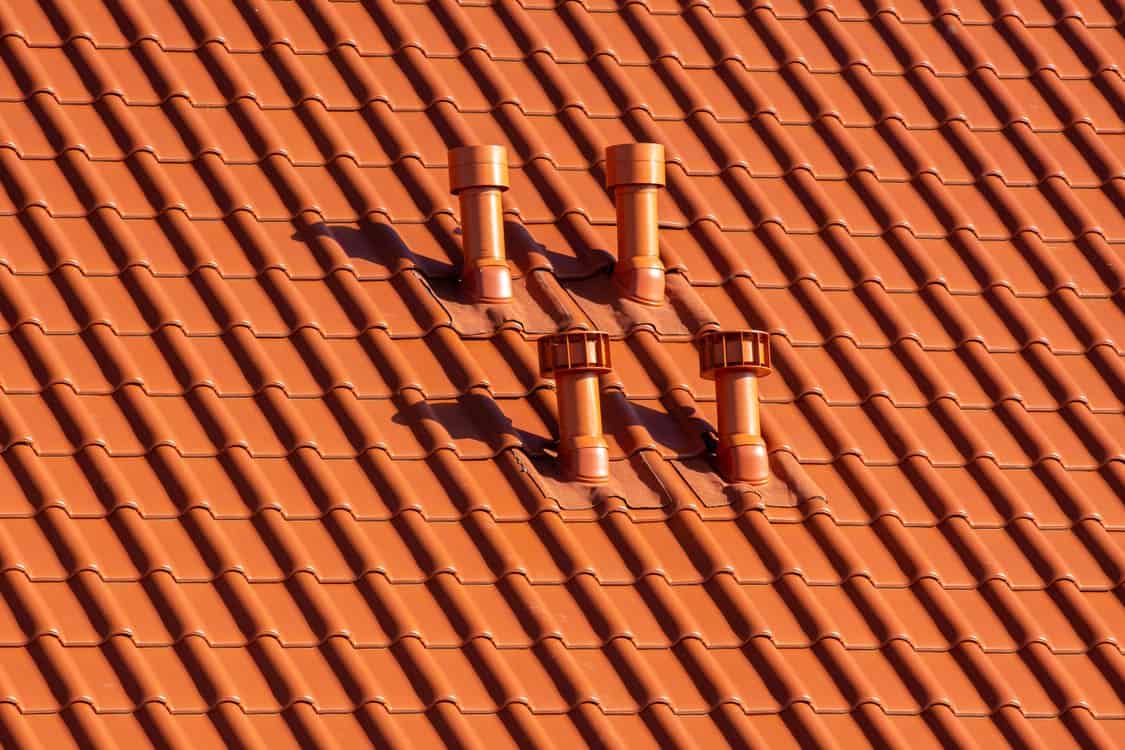
On sloped roofs, the weak spots are worn flashing where the roof meets walls and chimneys, and the penetrations around vents, pipes, and skylights where old sealant has dried out and cracked. Intense rainfall finds those faster than a homeowner ever could. The first sign is often a ceiling stain that appears overnight, far from the actual point of entry, because water travels along the deck before it drops.
Why drainage is the overlooked detail
On a flat or low-slope Toronto roof, the difference between a dry house and a flooded one in a cloudburst is drainage detailing, and it is the part of the job that is easiest to under-build because it is invisible when the sun is out.
Proper slope toward the drains, adequately sized scuppers and drains, clean valleys, and well-terminated membrane edges are what keep water moving off the roof rather than through it. A roof can look immaculate and still fail in a downpour if the water has nowhere fast enough to go.
Because this detailing is technical and unglamorous, it is exactly where bargain installs cut corners. Homeowners with flat or low-slope roofs are wise to choose an installer with genuine flat-roofing experience rather than a general crew that does flat roofs occasionally, since the membrane and drainage work is a real specialty.
Building for the storms that are coming
These once-rare downpours are becoming a regular feature of Toronto summers, which changes the standard a roof should be built to. Designing drainage and flashing for the storm of the decade, rather than an average rain, is no longer over-engineering.
For a homeowner, the takeaway after a $940-million July is straightforward: when you re-roof, treat drainage, flashing, and membrane detailing as the main event, not an afterthought. The roofs that stayed dry in 2024 were the ones built that way, and the next deluge will sort the rest.