
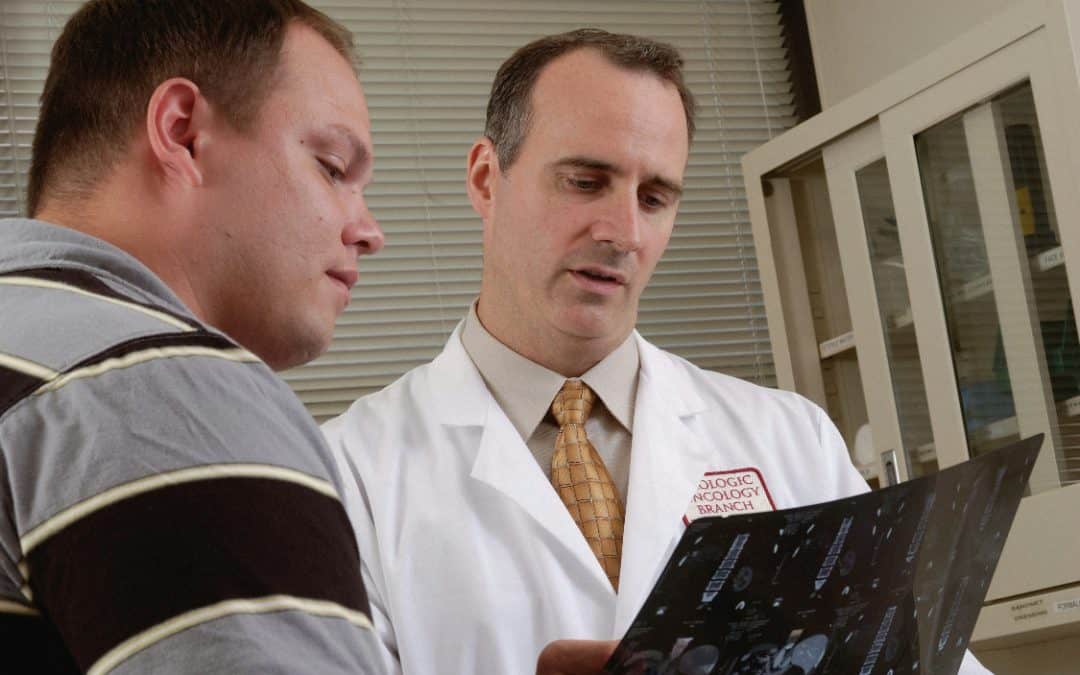
Artificial intelligence and radiology information systems form a powerful duo for speeding up diagnostic care. AI can scan images and surface probable findings while the RIS organizes patient data and schedules critical workflows.
Together they reduce idle time, cut down manual steps, and help clinicians reach clear decisions more quickly. Hospitals see the biggest gains when they focus on integrating RIS with key imaging tools, so all data points feed the workflow without gaps.
AI Driven Image Analysis
AI models learn to detect patterns that human eyes might miss, flagging subtle marks on scans and calling attention to urgent abnormalities. These systems can run in the background and pre annotate studies so radiologists see a prioritized stack instead of a random pile.
When models report a likely issue they also present related visual cues and confidence scores that aid quick judgment. The net effect is less time spent hunting for a needle in a haystack and more time devoted to cases that need human expertise.
Seamless Workflow Integration With RIS
A RIS acts as the backbone for scheduling, report tracking and communication between teams and devices. When AI outputs tie directly into the RIS record the entire workflow becomes smoother and fewer handoffs are needed.
Automated notes, structured templates and flags reduce clerical drag and make report completion faster and more consistent. That kind of integration cuts down loops and keeps information flowing to the next point of decision.
Automated Prioritization And Triage
AI can assign urgency levels to incoming studies so high risk cases rise to the top of the worklist. Radiologists then encounter the most time sensitive images first which shortens critical turnaround windows for life saving care.
The system can also trigger alerts to clinicians and on call staff, closing the gap between detection and action. With smarter triage, routine checks wait their turn while true emergencies receive immediate attention.
Decision Support That Adds Clinical Context
AI tools can correlate imaging findings with prior exams, lab results and exam indications to offer a more complete clinical view. The RIS stores those data points and helps present them alongside AI annotations so a radiologist does not need to hunt through separate systems.
When context is visible at a glance it is easier to make a fast call on whether further study or immediate intervention is needed. This reduces flip flopping and keeps reports clear and actionable.
Reduction Of Repetitive Tasks And Reporting Bottlenecks
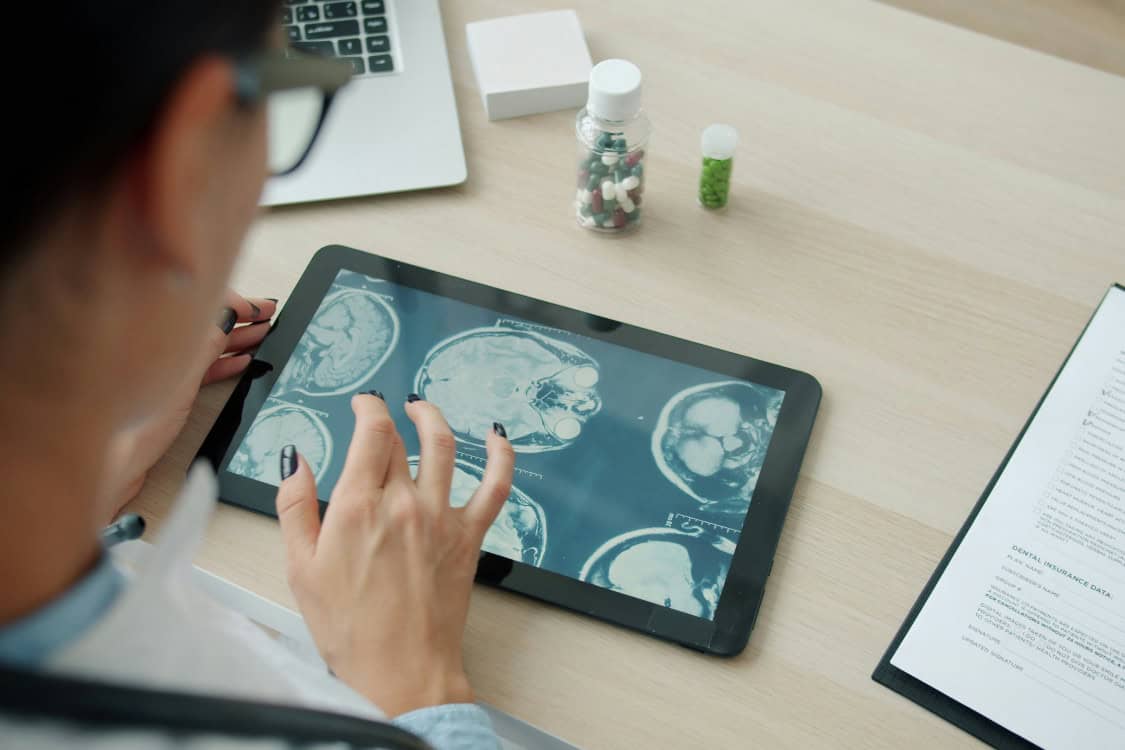
Many radiology workflows contain repeated copy paste work and routine measurements that soak up valuable time. AI can perform those measurements, populate snippets for reports and suggest phrasing for common findings, while the RIS enforces consistent templates.
Less repetition means fewer errors and a shorter time to final sign off for each report. Freed from mundane chores, clinicians can focus on tougher interpretive work and patient communication.
Data Flow And Interoperability
Smooth exchange between imaging devices, AI engines and the RIS depends on standards like DICOM and HL7 working without fuss. When formats and APIs behave the right way data moves fast, arriving where it is needed without manual export or reformatting.
That steady flow reduces waiting and helps teams keep momentum across shifts and sites. Consistent interoperability also allows models to be checked and audited routinely, supporting safe and steady use.
Training Validation And Continuous Learning
AI performance improves when models see diverse cases and when feedback loops correct errors and refine outputs. A RIS captures ground truth in the form of final reports and outcomes, and that record can feed model retraining for better future performance.
Validation runs inside clinical workflows reveal where models do well and where human oversight must remain firm. Ongoing learning keeps the partnership between man and machine honest and steadily more useful.
Faster Communication And Patient Throughput
Rapid diagnostics are only helpful if results reach the right people without delay, and that is where RIS driven messaging plays a big role. AI can trigger concise alerts and structured summaries that the RIS forwards to ordering clinicians, nurses and team leads.
Short clear messages reduce phone tag and unnecessary pages so patients move through care at a steadier pace. When everyone knows what needs to happen next the whole system runs with less friction.
Risk Management And Quality Control
Any automation adds new points of failure that must be watched, and a robust RIS helps track performance and exceptions over time. Audit trails record how AI suggestions were used so teams can review discordant cases and adjust protocols if required.
Periodic checks reveal drift or bias and prompt re evaluation before a problem grows. That active oversight keeps speed from coming at the cost of safety.
Human Factors And Acceptance
Clinician trust depends on predictable behavior and clear explanations from tools that assist them, not replace them. When AI suggestions appear in familiar RIS screens with simple visuals and straightforward language clinicians find the help easier to adopt.
Training, short feedback loops and an option to override ensure humans remain in control and confident. A well tuned mix of automation and human judgment lets clinicians do their best work under pressure.