

Why San Diego Backyards Are Recouping More Than the National Average
Real estate agents have a stock phrase for outdoor living projects: "you won't get all your money back." In most of the country, that's true. In San Diego, the math looks different. National remodeling data typically shows outdoor living spaces recouping somewhere...
read more
Why a $3.7 Billion CareCredit Year Has Patients Rethinking How to Finance Dental Implants
Implant treatment is a significant expense, and for many people the financing conversation happens in the same chair as the clinical one. That overlap is exactly what consumer advocates have spent the last couple of years warning about. The product at the center of...
read more
The Workplace Fairness Act Is Quietly Rewriting What Mindset Training Has to Deliver in Singapore
Singapore passed the Workplace Fairness Act in 2025, and by the end of 2027 it will be enforceable law, not a leadership preference. Employers with 25 or more staff — roughly 75 per cent of Singapore's employers — will be legally required to run a formal grievance...
read more
How Motorized Louvered Pergolas Changed the Backyard Shade Decision for San Diego Homeowners
For years the pergola-versus-cabana debate had a clean dividing line. Pergolas were open and let sun through; cabanas enclosed a space and kept weather out. A newer category has blurred that line, and it is reshaping how homeowners think about shade. Bioclimatic...
read more
What the $940-Million July Flood Revealed About Aging Toronto Roofs
When people think about flood damage, they picture basements and storm sewers, not roofs. But the catastrophic July 2024 rainfall that swamped the GTA was also a stress test for the part of the house at the top, and a lot of roofs did not pass it. A roof can shed...
read moreBusiness
No Results Found
The page you requested could not be found. Try refining your search, or use the navigation above to locate the post.
Cloud Tech
No Results Found
The page you requested could not be found. Try refining your search, or use the navigation above to locate the post.
Featured

Going Over the Importance of Only Going for the Best and Most Necessary Gadgets Today
In the modern world, there are countless different kinds of gadgets to choose from. With new ones being developed every day, it can be difficult to decide which one to buy. However, there are some factors to consider when making a purchase. Firstly, you should...
read more
Discussing the Major Cool Benefits of Using Newer Gadgets Today – A Quick Glance
There are many advantages of using newer gadgets today. These devices can help you learn more and increase your participation in classroom activities. These devices are useful in many different ways, including increasing your children's critical thinking and...
read more
Why a $3.7 Billion CareCredit Year Has Patients Rethinking How to Finance Dental Implants
Implant treatment is a significant expense, and for many people the financing conversation happens in the same chair as the clinical one. That overlap is exactly what consumer advocates have spent the last couple of years warning about. The product at the center of...
read more
How Motorized Louvered Pergolas Changed the Backyard Shade Decision for San Diego Homeowners
For years the pergola-versus-cabana debate had a clean dividing line. Pergolas were open and let sun through; cabanas enclosed a space and kept weather out. A newer category has blurred that line, and it is reshaping how homeowners think about shade. Bioclimatic...
read moreMost Recent Posts
How to Adapt Waffle Mix for Seasonal Flavors and Menus
Spring and summer bring light, fresh notes while fall and winter call for warm, spiced profiles; adapting a basic waffle mix lets a cook match the season with minimal fuss. This article outlines practical tweaks and ingredient swaps that change aroma, texture, and color without rewriting the base recipe.
Choosing A Base Waffle Mix
Pick a reliable base that tolerates small adjustments to liquid and fat levels while keeping structure intact. A mix with moderate sugar and a neutral leavening profile will accept fruit purées, spice blends, or extra whole grains without turning gummy.
Watch batter viscosity; a spoon-thick batter usually gives crisp edges and tender crumb, while runny batter yields thinner, lacey waffles. If you want to simplify seasonal flavor changes without constantly adjusting recipes, consider using a flavored waffle mix that’s already balanced for consistent taste and texture.
Infusing Fruit Flavors For Spring And Summer
Fruit purées and zests brighten the batter and add moisture in a natural way, making waffles sing on warm menus. Mash ripe berries or stone fruit and fold in small amounts to avoid over-wetting the mix, or use zest for concentrated lift and perfume with minimal liquid change.
Fresh fruit pieces provide bursts of texture, but pack them lightly so they don’t weigh the waffle down or create soggy pockets. A drizzle of a simple syrup or a light fruit compote keeps things lively without hiding the waffle’s own notes.
Incorporating Spice And Root Notes For Fall
Warm spices and grated roots create depth that suits cooler months and cozy menus; think cinnamon, nutmeg, ginger, and cardamom. Toast whole spices briefly and grind them for fresher aroma, or use a measured blend so each batch stays consistent; a little goes a long way.
Root vegetables like sweet potato or beet purée add color and body, plus subtle sweetness that pairs well with brown butter or maple. Test one variable at a time to see how spice intensity and root moisture affect texture.
Playing With Citrus And Herbs For Bright Menus
Citrus zest and a touch of fresh herb can lift a waffle from ordinary to memorable, offering contrast on brunch lists or light dinner plates. Lemon and orange zests bring a zing that cuts through richness, while mild herbs such as basil, thyme, or chives add an herbal thread without overwhelming.
Use fine chiffonade or microbasil to avoid large leaves that scorch on the griddle, and balance acid with a pinch of sugar when needed. Small, deliberate additions keep flavors singing without clutter.
Using Vegetables And Grains For Rustic Appeal
Integrating whole grains, shredded vegetables, or seeds boosts fiber and creates a hearty mouthfeel for farm-to-table menus and rustic cafes. Swap part of the white flour for oat, rye, or cornmeal to add nutty tones and a firm crumb; these flours absorb liquid differently, so tweak wet ingredients in tiny steps.
Grated zucchini or carrot adds moisture and structure while staying subtle; squeeze excess liquid from wet veg to keep batter from thinning too much. Texture contrasts—crunchy seeds or toasted grains—give a pleasant counterpoint to a soft interior.
Sweet And Savory Pairings For Year-Round Appeal

Waffles can be a vehicle for both syrup and savory toppings, making them versatile across meal periods and guest preferences. Add mild cheeses or chopped cooked bacon to the batter for savory riffs that hold up to eggs or smoked fish, and pair sweet batters with salty garnishes to make flavors pop.
Think in terms of contrasts: acid with fat, sweet with salt, soft with crisp; those juxtapositions make a plate feel balanced. Menu notes that hint at pairing ideas help servers sell options without scripting every table interaction.
Working With Texture And Toppings
Texture often wins the day; an otherwise fine waffle benefits hugely from a crunchy or creamy topping that adds interest and heft. Toasted nuts, crisped shallots, or a quick compote can transform a basic batter into a full experience, offering layers of mouthfeel that keep guests coming back.
Keep toppings in small batches and warm as needed so the hot waffle meets a warm or ambient topping for the best contrast. Presentation matters: a neat drizzle or scatter suggests care and can boost perceived value.
Scaling Recipes For Cafe Or Market Menus
When scaling from test kitchen to service, simple rules help avoid chaos: scale ingredients in consistent ratios, maintain batter viscosity, and time the cook cycle under real conditions. Multiply dry and wet components separately and hold a few control waffles to confirm color and interior doneness before open service; kitchens change with humidity and volume.
Use standardized scoops for batter size so cook times stay predictable, and train staff on quick fixes like adding a tablespoon of flour for thin batter or a splash of milk for thick batter. Small checks every hour prevent drift and keep quality steady.
Allergy Alternatives And Dietary Swaps
Offer gluten-free, dairy-free, and vegan options by swapping targeted ingredients while keeping the base technique intact so guests with restrictions still get a satisfying bite. Use a blend of rice, sorghum, or certified gluten-free oat flour for structure and add a binder such as ground flax or chia for eggs in vegan mixes.
Coconut milk or plant-based yogurts provide richness when dairy is out, though flavor and fat content will change browning and mouthfeel slightly. Label items clearly and train staff to avoid cross-contact; safety builds trust and repeat business.
Testing, Iteration, And Menu Rotation
A short testing cycle helps you refine a new seasonal waffle without upending the whole menu: make small shifts, taste, note, then repeat until the balance is right. Keep a log of ingredient weights, cook time, and tasting notes so successful tweaks are repeatable and mistakes are not doubled.
Rotate seasonal items on a predictable cadence so guests learn to expect change and staff get practice with transitions. Small, steady experiments often beat sweeping overhauls and let the crowd tell you what sticks.
5 Elegant Wedding Bands Perfect for Minimalist Couples
Minimalist couples often seek wedding bands that communicate through clean proportion and choice of material rather than elaborate detail, a preference that keeps the look calm and focused. Clean lines and quiet craft often prove that less is more, producing pieces that feel both timeless and practical for everyday life.
The right band will balance weight, profile and finish so it sits comfortably on the hand and moves through daily routines without fuss. Below are five wedding band options that span warm gold tones, cool modern alloys and a subtle gem accent, each offering a distinct take on simple, wearable style.
1. Sleek Classic Gold Band
A slim rounded gold band embodies the archetype of minimal ring design, prioritizing proportion and the purity of the circle so the metal itself does the talking. The polished surface catches light softly and the warm hue flatters many skin tones, lending a sense of permanence without unnecessary drama.
A medium weight in solid gold gives the ring a satisfying feel on the finger while remaining discreet during meetings, travel or early morning errands. Over time the metal develops a gentle patina that can enhance personality without changing the core simplicity of the piece.
Gold arrives in several alloys, so couples may choose classic yellow for a traditional note or rose gold for a subtle modern warmth that still reads restrained. Fit is as important as metal choice, and trying various widths and interior profiles helps find the size that slips into daily life and stays comfortable for long wear.
Many choose to wear a single band alone for a pared back look while others add a second thin ring to create depth without complexity. Whatever the selection, the simple circle carries meaning and ritual in a way that does not rely on ornament.
2. Slim Platinum Court Ring
Platinum offers a cool white color and a pleasantly dense feel that attracts people who like a quiet sense of quality underfoot and on the hand. A slim court profile has a rounded interior that improves comfort and a subtly domed exterior that slides under engagement settings with minimal fuss.
The metal ages into a soft sheen rather than glaring marks, and light surface wear often reads as character rather than damage. Its purity also reduces the chance of skin reaction, which matters for those with sensitive skin or metal sensitivities.
Price points tend to be higher than for gold, yet the enduring color and low need for replacement can make the initial outlay feel practical in the long run. Because the band reads clean and uncluttered, it complements solitaire designs and other minimalist engagement cuts without creating visual conflict.
Its neutral tone plays well with a range of gemstones should a couple ever decide to pair it with a colored stone later on. A slim platinum ring often reads as a subtle promise that fits both office life and weekend routines.
3. Hammered Finish White Gold Band

A hammered finish introduces a tactile surface while keeping the overall silhouette narrow and simple, so the ring reveals detail only on closer inspection. Tiny facets catch and scatter light, creating a modest sparkle that is achieved without adding gems or complex settings.
White gold brings a contemporary look similar in appearance to platinum yet can be lighter in cost, and plating can be used for extra brightness if desired. The result is subtle craftsmanship that changes how light and shadow play across the finger while maintaining a straightforward profile.
Care and upkeep are straightforward with this option, with occasional polishing or replating available to refresh the tone when wanted by the wearer. The textured surface hides minor surface marks better than a high mirror finish, which means the band can age in a forgiving way through everyday use.
Because of that resilience the hammered ring suits active people who rarely remove their jewelry and who appreciate low maintenance pieces. Visually it reads artisanal without being ornate, pairing as well with short sleeves as with tailored cuffs.
4. Beveled Edge Titanium Band
Titanium brings the rare combination of being very light in wear yet remarkably strong, which appeals to people who want a ring that feels almost weightless but still stands up to daily life. A beveled edge adds a small line of definition that gives the eye a tidy stopping point and allows the profile to read more deliberate without becoming ornate.
Titanium is a popular choice among mens wedding bands for those seeking durability without heaviness. The metal’s natural grey tone delivers a contemporary aesthetic that blends smoothly with casual gear and tailored clothing alike, and it refrains from drawing excessive notice. High scratch resistance means the band retains a consistent character through regular activity.
Sizing deserves careful attention because titanium can be difficult to resize later, so accurate measurement up front helps avoid future complications and keeps the design intact. Available finishes span mirror polish to a softer matte, and each finish shifts the mood of the ring slightly while keeping the same minimal lines.
Many choose a discreet interior engraving to carry meaning that remains hidden from view yet close at hand. The alloy suits people who prefer functional gear that performs without fanfare and who value subtle durability.
5. Thin Pavé Diamond Accent Band
A thin band with pavé set small diamonds offers a whisper of sparkle that feels tasteful and measured rather than loud, giving the wearer a refined glimmer at casual glance. The pavé technique seats tiny stones close to the metal so they sit low and do not catch on fabric, preserving the sleek silhouette alongside an engagement ring.
Because the diamonds are small and numerous, the overall effect is one of delicate lift that adds movement and life to a hand when it catches light. It is a way to introduce gem work while keeping the profile slim and unobtrusive.
Stacking a thin pavé band next to a plain metal ring creates a gentle contrast that remains understated and wearable for everyday life, making the combination feel personal without being flashy. Care is modest, with occasional checks of the small settings and routine cleaning to retain sparkle over years of wear.
The look suggests quiet celebration, a little twinkle that supports the ring story without taking center stage. For couples seeking subtlety with a hint of shimmer, this option often hits the sweet spot between minimalism and ceremony.
Why Can’t I Hear Sound on My Tablet? Discover Fixes
Many people hit a sudden wall when audio vanishes from a tablet while a video plays or a call rings. That silence can feel unnerving, like a radio with no station.
A few quick checks often restore sound without a trip to a shop. Below are clear steps written in a friendly tone to help you get audio back up and running.
Volume And Mute Settings
Start with the obvious by checking the volume controls on the device and any on screen sliders that belong to the app you are using. Physical buttons can stick or fail, and a mute switch might be active without any obvious cue.
Make sure any Do Not Disturb type modes are off since those can keep the speaker quiet. A quick glance here solves more problems than you might think, so do this early.
Bluetooth And Paired Devices
A tablet can be paired to a speaker or headset and send audio away from its internal speaker without telling you in plain words. Open the Bluetooth panel and look for active connections, then disconnect any device that seems unexpected.
If nothing shows, try toggling Bluetooth off and on to reset any ghost links. This often brings the sound path back to the built in speaker.
Headphones And External Accessories

Leftover lint or a bent contact in the headphone jack can stop sound from reaching the speaker when the tablet thinks an accessory is still attached. Give the socket a careful once over and use a clean, dry brush or a toothpick with light pressure if you spot debris.
If your tablet uses a wired connection via an adapter, test another cable or adapter to rule out a broken part. Plug in and unplug a pair of headphones a few times, which can free a stuck switch.
Software Updates And App Settings
Audio problems sometimes crop up after a system update or when an app gains a bug that mutes output unexpectedly. Check for system updates and install available patches that may carry bug fixes for media components.
Within the app you are using, verify that its internal sound sliders are up and that no in app mute is set. Reinstalling a misbehaving app often clears corrupted settings that stop sound.
Restart And Power Cycle
A full reboot clears temporary files and resets services that handle audio, and it is the low cost fix that often works like a charm. Hold the power button until the device shuts down, wait a short time, and power it back up to give the system a clean start.
If a simple restart does not help, remove any case and let the tablet sit powered down for a minute to cool or discharge residual charges. That extra pause can coax a stubborn device back into life.
Speaker Hardware Problems
If the tablet has been dropped, exposed to water, or used outdoors in dusty conditions, the tiny speaker could be damaged or clogged. Listen closely for faint sound when playing audio with headphones removed; hiss or distortion points to a damaged cone or blown coil.
Gently clean speaker grilles with compressed air kept at a safe distance to remove dust that muffles sound. When hardware is damaged, professional parts replacement is often the only reliable route back to full audio.
Audio Test And Diagnostics
Built in diagnostics or a third party app can play tones and measure output to help isolate the issue between hardware and software. Play test tones at various frequencies and volumes to check for uneven output or complete silence across the range.
If tones appear through headphones but not the speaker, the problem sits with the speaker assembly or its driver. If nothing plays anywhere, software or core audio drivers are likely the culprits.
Reset And Restore Options
A factory reset wipes settings and can clear deep software glitches that keep sound systems from initializing properly. Back up photos, contacts and important documents first since a reset returns the device to a blank slate.
Perform a reset from system settings and only use it after less drastic measures fail, because it takes time to reinstall apps and tweak preferences. For many users this act is the clean sweep that fixes stubborn audio bugs.
When To Get Professional Repair
If tests show physical damage, moisture corrosion or burned smell near the speaker, hands off and seek a trained technician to prevent further damage. Authorized service centers can swap the speaker, repair solder joints or replace the audio module with factory compatible parts.
If you live nearby, you can count on reliable help from experts offering tablet repair in chapel hill, north carolina, who can quickly diagnose and fix sound issues with care.
If the tablet is under warranty, contact the maker to avoid voiding coverage with home repairs. A skilled repair often restores sound and saves the expense of a full device replacement.
How to Manage Household Leaks to Cut Monthly Expenses
Small leaks are an easy way for water, cash, and patience to slip through your hands. Catching a drip early keeps a tiny problem from growing into a bill you did not bargain for, and it often saves time on repair work later.
This article walks through practical steps to spot, fix, and limit leaks so your monthly outlay shrinks and your home runs smoother.
Spotting Leaks Early
A little detective work pays off: check sous sinks, basements, and behind appliances for damp spots that look out of place. Run a quick meter test by shutting off all taps and watching the water meter for movement — that single n-gram test often reveals hidden flow.
Watch ceilings and walls for stains or paint blisters that point to slow seepage from pipes above, since slow leaks leave a trail over time. Acting fast with small fixes can stop a drip becoming a flood, saving money and hassle.
Checking Fixtures And Fittings
Faucets, showerheads, and hose bibs are frequent leak sources because washers and seals wear down from use. Tighten loose nuts and replace worn rubber washers; a new washer can halt a drip and keep the sound of running water out of your day.
Thread tape on threaded joints and snug compression fittings where threads meet, and test under pressure so you spot any loss after repair. Small parts cost little and often return their value in a single lower month’s water bill.
Fixing Dripping Faucets
A dripping tap wastes water and patience, and the cause is usually a worn seat, O-ring, or cartridge inside the valve. Turn off the supply, dismantle the handle, and inspect for obvious wear — take the old part to a hardware store if you doubt the right replacement name.
Swap in matched parts, reassemble, then test the tap at normal pressure to confirm the drip stopped; test the drip rate with a cup and timer if you want numbers to compare. The fix is typically quick, cheap, and keeps your sink from sounding like a metronome.
Diagnosing Hidden Pipe Leaks
When water shows up where pipes are hidden, the challenge is tracking the path without tearing out whole walls or floors. Use visual cues like staining and warped drywall, pair those with meter checks and timed water runs, and probe areas where lines converge; small clues lead you to the leak zone.
Thermal cameras or moisture meters give extra clues if you have them, and tape or paper towels under suspicious joints can catch slow weeps. Pinpointing the source narrows the scope of repair and trims labor costs.
Managing Appliance-Related Leaks
Washing machines, dishwashers, and hot water heaters can spring leaks at hoses, seals, or tank joints, and appliance leaks often show up at the floor rather than the unit. Inspect rubber supply lines for cracks and bloating, check clamps on hose connections, and watch for pooling or rust near valves; replace aging parts proactively.
Run an empty cycle and watch the floor and fittings, and swap flexible lines for braided stainless where possible to cut the odds of sudden failure. A well-kept appliance is less likely to surprise you with a wet floor and a surprise bill.
Upgrading Old Plumbing Components
Old pipes and valves have a finite life, and when they go, they can throw cash down the drain fast via steady leakage or sudden breach. Replace corroded valves, aging flexible hoses, and dated fixtures with newer parts that fit modern standards, and pick materials that match your local water chemistry to reduce corrosion.
A planned replacement rather than emergency swaps often saves on labor and gives you time to shop for good parts and fair quotes. Think of upgrades as preventive spending that smooths future months and lowers risk.
Improving Water Use Habits

Simple daily habits add up: turn the tap off while brushing teeth, take shorter showers, and run full dishwasher or laundry loads instead of partial ones. Fixes to fixtures go hand in hand with habit tweaks, because saving water at the tap multiplies across time and households, cutting what shows up on the water bill.
Keep a small pitcher near the sink to catch cold-run water for plants, and make quick leak checks part of the monthly routine to catch new issues early. Little shifts in routine can be the difference between a steady bill and an unwelcome spike.
Tracking Savings And Household Bills
Keep a simple log of water usage and bills, annotate dates when leaks were fixed, and compare month-to-month numbers to see the real impact of repairs and behavior changes. Small changes often show up as subtle shifts first, then larger savings as multiple fixes add together; a baseline and follow-up checks help quantify gains.
If you’re trying to see the difference your efforts make, compare your numbers to the average water bill in your area to gauge whether your home is using more or less than typical households.
Include notes about weather, guests, or projects that might spike use so you can tell an anomaly from a trend, and use that data when choosing the next repair or upgrade. Over time the scorecard helps you focus resources where the biggest leaks and the biggest wins live.
When To Call A Plumber
Some issues call for tools and training beyond a homeowner’s toolbox, like major buried pipe failures, sewer line backups, or complex hot water systems. If troubleshooting points to a main line, repetitive repairs, or you find structural damage, a licensed tradesperson brings diagnostics, permits, and safe fix plans that a weekend fix cannot match.
Get at least two estimates and ask about warranty on both parts and labor so the repair stands up over time, and keep a record of work for future reference. Calling in help at the right moment prevents quick fixes from becoming repeated costs.
Why Is My Air Conditioner Freezing Up? Learn the Cause
Air conditioners freeze when the balance between heat transfer and refrigerant flow is upset, leaving metal surfaces cold enough for moisture to turn into solid ice. A frozen system won’t cool properly, uses more energy, and can suffer damage if left to run.
Homeowners often spot the problem when airflow drops and white ice builds on the indoor coil or refrigerant lines. Knowing common triggers can help stop a small fault from turning into a big repair.
Why Air Conditioners Freeze
Ice forms on an air conditioner when the evaporator coil drops below freezing and moisture in the air solidifies on its surface. The coil is supposed to absorb heat, but if warm air can’t reach it or refrigerant levels are low, temps plunge too far and water freezes.
A frozen coil blocks airflow and reduces the system’s capacity to cool the space, creating a downward spiral. Catching the early signs, like frost at the return vent, can prevent a lengthy shutdown.
Low Refrigerant Levels
When refrigerant is low, pressure in the coil falls and the temperature of the metal surface sinks below freezing. Leaks are the common culprit; a slow leak will produce subtle performance losses until ice forms and the system struggles.
Technicians check pressure, look for oil traces, and repair leaks before recharging the system to match manufacturer specs. Running with low refrigerant is like driving with an empty tank: performance suffers and parts wear out faster.
Restricted Airflow
Air needs to flow across the evaporator coil to deliver heat that keeps coil temperature above freezing, and any blockage stops that exchange. Limited flow can come from closed vents, dirty ductwork, or a failing fan that isn’t moving enough air.
With less warm air to warm the coil, moisture freezes where it should have condensed and drained away. Restoring free airflow often brings the system back into balance quickly.
Dirty Evaporator Coils
Coils that are coated in dust or grime act like insulation, preventing warm room air from contacting the metal surface properly. A coated coil stays colder because it cannot pick up heat efficiently, and the moisture that condenses there can freeze into a solid shell.
Regular cleaning of the indoor unit keeps heat transfer healthy and avoids the frozen-coil trap. Technicians use gentle coil cleaners and light brushing to remove buildup without bending fins.
Clogged Air Filters
Filters that are blocked with lint and debris choke airflow long before the fan motor gives up, so the evaporator sees less warm air and can drop below freezing. Dirty filters are one of the most common and solvable causes of freezing; a quick swap often restores performance.
Keeping a simple change schedule during heavy-use months saves energy and prevents ice from forming. Think of the filter as the lungs of the system — keep them clear so the whole unit breathes easy.
Faulty Blower Fan
If the blower that pushes air over the coil runs slowly or stops, warm air won’t reach the evaporator and freezing becomes likely. Fan issues can come from motor wear, capacitor failure, or obstructions in the fan housing.
A noisy motor or intermittent airflow are clues that fan health is failing and should be checked before ice builds up. Fixing or replacing the fan restores airflow and often eliminates the freeze problem.
Thermostat Settings And Short Cycling
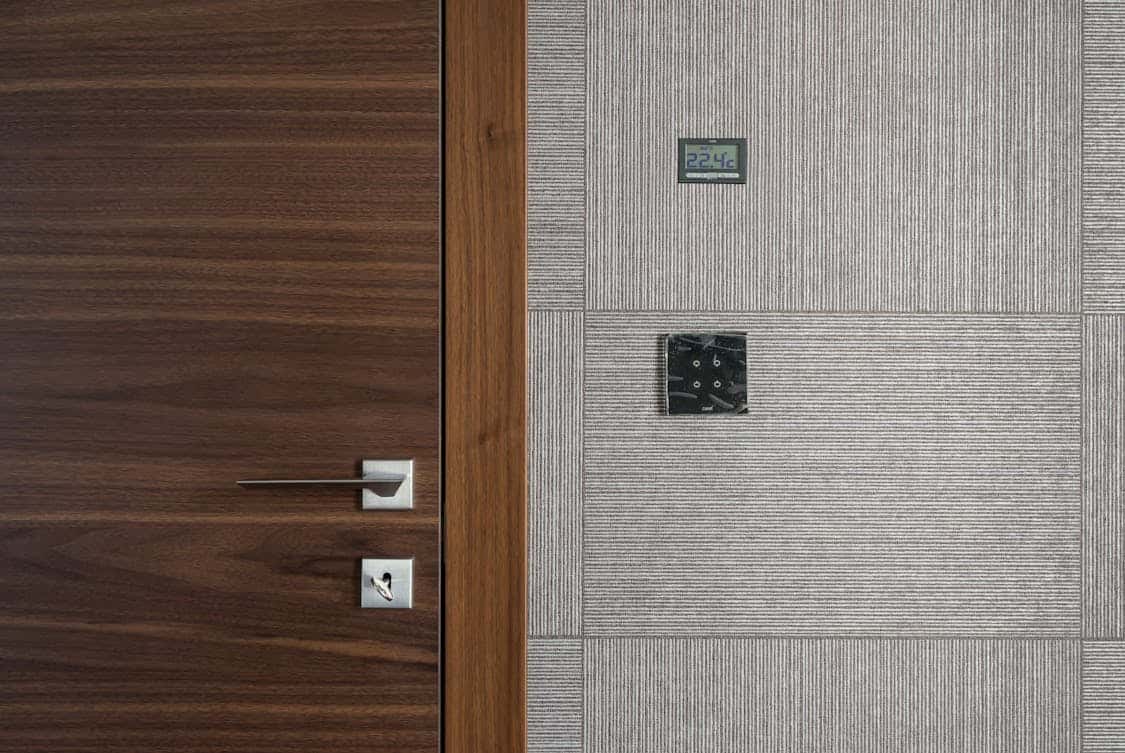
When the thermostat causes the system to short cycle, the compressor and evaporator may not run long enough to maintain steady airflow and temperatures, which can encourage ice formation. Aggressive temp swings from setting the thermostat very low trigger frequent on-off cycles that stress components and change coil temperatures rapidly.
Properly calibrated controls and correct placement of the thermostat reduce erratic behavior and help the unit run smoothly. A steady cycle is a healthy cycle; let the system run long enough to complete its cooling pass.
Condensate Drain And Pan Issues
If the condensate drain or pan is blocked, water that normally exits the system pools and can freeze on cold surfaces. Biobuildup, debris, or a broken drain line are usual suspects that create standing water and a breeding ground for mold.
Flushing the line or replacing a clogged trap removes the barrier to proper drainage and cuts down on ice problems. Simple maintenance items like a clear PVC line or a float switch can stop small clogs from escalating.
Outdoor Unit And Refrigerant Line Problems
The outdoor condenser and refrigerant lines must work as a team with the indoor coil; damage outside can change pressures and lead to freezing inside. Kinks in the refrigerant line, poor insulation on the suction line, or a weak condenser fan reduce the system’s ability to reject heat.
Examination of the outdoor unit often reveals signs like bent fins, low airflow, or oil stains that point to leaks. Repairing outside faults restores balance and prevents the indoor coil from turning into an ice block.
Preventive Steps And When To Call A Technician
Regular checks on filters, coils, and drains are the best defense against a frozen unit, and a short walk around the outdoor unit can reveal obvious problems before they cost more. If you’re unsure where to start or want expert eyes on the job, it is highly recommend to reach out a skilled aircond service crew who can diagnose and fix the issue before it worsens.
If frost appears repeatedly or if the system shows poor cooling, odd noises, or leaking lines, a trained technician should inspect refrigerant levels and mechanical parts.
Quick action can save the compressor from damage and keep repair bills lower, so don’t let a small freeze turn into a major failure. A timely service visit often gets the system back to steady operation and peace of mind.
5 Strategic Moves Behind The Anglo Teck Merger Success
The Anglo Teck merger stands out as a case where careful planning met decisive action, producing value that surprised many observers. The deal combined two distinct operating models into a single, more capable entity, and the result was stronger than the sum of its parts.
If you’re interested in how disciplined execution and cultural insight can turn a merger into a genuine success story, the experience of Anglo Teck offers a powerful example of integration done right.
1. Clear Governance And Cultural Integration
Board-level clarity set the tone early, with a compact steering group assigned to make fast calls and settle disputes. That group paired legal, finance, and ops leads so trade-offs were visible and negotiable at once, avoiding layered approvals that slow progress. Leaders used common vocab and a small set of shared goals to keep teams aligned while still respecting legacy ways of working.
Culture work began with honest listening tours across both firms, where teams described what mattered most to their day-to-day. The merger team mapped overlaps and gaps, then prioritized integration moves that carried the least risk for people and the most gain for service continuity. Frequent, plain-language updates kept rumor at bay and helped staff see the thread between short steps and long goals.
Practical rituals reinforced new norms: joint town halls, shared project dashboards, and mixed-team pilots that forced hands-on cooperation. These rituals were lightweight yet steady, so they fitted into busy schedules and built real habit change over time. By making small wins public, leaders built momentum that translated into confidence for larger shifts.
2. Rigorous Due Diligence And Risk Mapping
The diligence phase combined deep technical review with scenario planning that pushed numbers in multiple directions. Analysts ran stress tests on revenue, cost, and regulatory exposure to see where cushions were thin and where buffers existed. They used a tiered risk register to keep the high-risk items in front of decision-makers, not buried in appendices.
Operational risk received the same attention as financials, with site visits and system stress checks to confirm resilience under load. Teams cataloged single points of failure and created fallback plans for each, so day one would not mean day of surprises. This hands-on, test-driven approach trimmed down surprises when integration work started in earnest.
Legal and compliance teams worked in parallel, identifying overlapping obligations and negotiating harmonized policies early. That front-loaded the work needed to meet external reporting and licensing rules, which reduced friction later on. The result was a clearer path to regulatory sign-off and fewer last-minute stalls.
3. Customer-Centric Product Rationalization

Product leaders focused on the customer first, pruning duplicate offerings and keeping elements that customers actually used and valued. They ran usage analyses and direct customer interviews to build a short list of services worth keeping, combining hard metrics with human feedback. This pragmatism cut cost and sharpened the combined value proposition.
Migration plans were phased so clients experienced minimal disruption, with parallel runs for key services before final switchovers. Support teams were cross-trained and given scripts for likely queries, reducing friction at the interface where perception matters most. The careful sequencing meant major clients felt reassured, not abandoned.
In markets where both brands had presence, the team identified quick wins by packaging complementary features into single bundles. Sales was briefed on clear talking points that emphasized continuity and new options, which kept churn low. Simple, consistent messaging avoided mixed signals and helped close new business faster.
4. Financial Discipline And Synergy Capture
From day one, the finance group set tight baselines and tracked real-time performance against them, counting savings in honest terms. They prioritized cost actions with the shortest payback and the least impact on capability, which built credibility for larger moves later on. A rolling three-month review cycle meant the plan evolved with fresh data, not stale assumptions.
Synergies were split into hard and soft categories, each with owners and measurable milestones, so results could be proved rather than promised. Hard synergies like facility consolidations had clear timelines; softer ones such as joint procurement had pilot targets. Public tracking of outcomes kept teams accountable and focused on execution rather than talk.
Capital allocation favored investments that supported the integrated entity’s growth story, and discretionary spend was paused until core integration milestones hit. This disciplined stance avoided waste and made funding for priority projects easier to approve. Investors saw the numbers, and that transparency supported market confidence.
5. Agile Execution And Continuous Feedback
The implementation approach used short work sprints and frequent check-ins, so teams could adapt quickly when a plan ran into real-world friction. That method kept momentum high and allowed leaders to reassign resources dynamically to the biggest bottlenecks. Small experiments reduced risk, and lessons from pilots were fed into the next sprint without fanfare.
Feedback loops included staff pulse checks and client satisfaction measures that were short, direct, and actionable. When a pattern emerged, teams addressed the root cause rather than just treating symptoms, which avoided repeated fixes. The organization learned to prefer quick fixes that scaled when proven, rather than massive rollouts with uncertain outcomes.
Decision rights were delegated near the work, enabling faster responses while senior leaders maintained a view across programs. That mix of bottom-up agility and top-down coherence helped the group hit timelines without losing strategic focus. With this setup, the merger moved from plan to practice without getting bogged down in committee.
5 Timeless House Layout Ideas That Never Go Out of Style
Creating a home is often about more than just aesthetics; it’s about functionality, comfort, and how a space feels. Some house layouts stand the test of time, continuing to impress homeowners year after year. Here are five enduring house layout ideas that never go out of style.
1. Open Concept Living Space
The open concept design has gained traction for its seamless integration of spaces. By removing unnecessary walls, homeowners can create a sense of spaciousness that encourages interaction. This layout allows for a free flow of natural light, enhancing the overall atmosphere.
In an open concept space, the kitchen, dining, and living areas are interconnected. Family members can cook, eat, and relax all in one expansive area, making it perfect for both everyday life and entertaining.
This layout also fosters a sense of togetherness, as everyone can remain engaged, regardless of their activity. If you’re planning to build a new house, checking out the floor plans pictured on Aveling Homes can give you excellent ideas for creating a modern, open concept design.
While the design promotes an airy feel, it can also be customized with room dividers, such as tall plants or decorative screens. These elements offer a hint of separation without compromising the openness. The flexibility of this layout allows for personal touches, making each space uniquely your own.
The open concept layout is not just a trend; it reflects a lifestyle shift toward more communal living. It embodies the idea that home is a gathering place, where memories are made, and connections are nurtured.
2. Split-Level Designs

Split-level designs provide a unique take on traditional layouts. By incorporating varying floor levels, these homes create a dynamic living environment that feels both spacious and intimate. The staggered levels can enhance privacy while still maintaining a cohesive flow.
Typically, split-level homes feature distinct zones for living, sleeping, and entertaining. This can be particularly advantageous for families, as it allows for separate spaces for children and adults. The layout naturally encourages individual activities while providing communal areas for family gatherings.
Architecturally, split-level homes can add interest to the exterior, making them visually appealing. With various levels, the structure can be designed with varying rooflines and window placements, adding character to the property. This design choice can enhance curb appeal and set a home apart in the neighborhood.
This layout fosters a sense of movement and exploration. It invites residents and visitors to journey through the home, experiencing different environments and moods as they navigate the levels.
3. Multi-Generational Layouts
With families evolving, multi-generational living has become increasingly popular. This layout provides accommodations for extended family members, offering both privacy and togetherness. By integrating separate living quarters, households can enjoy the best of both worlds.
Typically, a multi-generational home includes a main living area alongside a suite that may feature a bedroom, bathroom, and kitchenette. This setup is ideal for grandparents or young adults returning home, as it allows them independence while remaining close to family.
The design can also include shared spaces that bring everyone together. A communal kitchen or dining area encourages family meals, while a cozy living room provides a gathering spot. These shared areas help strengthen family bonds while allowing personal privacy.
As lifestyles continue to change, this layout caters to the needs of modern families. It addresses economic factors, cultural shifts, and the desire for connection in an increasingly disconnected world.
4. Ranch-Style Homes
Ranch-style homes have an enduring appeal, emphasizing simplicity and functionality. These single-story layouts are often characterized by open floor plans and large windows, creating a bright, inviting atmosphere. Their uncomplicated design suits various lifestyles and ages.
One major advantage of ranch-style homes is their accessibility. With no stairs to navigate, these layouts are ideal for families with young children or individuals with mobility challenges. The ease of movement makes it a practical choice for anyone valuing convenience.
Outdoor spaces are often integrated into ranch designs, promoting a connection with nature. Expansive backyards, patios, and decks allow for outdoor living, making it easy to entertain or unwind in a natural setting. This connection to the outdoors enhances the overall living experience.
Ranch-style homes also offer flexibility for renovations. Homeowners can easily add rooms or expand living areas without the complexity of multi-story designs. This adaptability ensures that the layout can evolve with changing needs.
5. The Classic Colonial
The classic colonial layout has stood the test of time, offering a perfect blend of symmetry and function. Known for its balanced facade and traditional design, this layout emphasizes elegance while maintaining practicality. Generally, colonial homes feature a two-story structure with a centered front door and equally spaced windows.
Inside, colonial homes often have defined spaces, with rooms set apart for specific purposes. This layout can cater to formal living areas, dining rooms, and cozy family spaces. The sense of order appeals to those who appreciate a classic approach to home design.
The charm of colonial homes often lies in their historical details. Elements like crown molding, hardwood floors, and built-in shelves add character and warmth. These details can evoke nostalgia, making the space feel inviting and memorable.
Colonial layouts also often feature large front porches, encouraging social interaction and community engagement. This extension of the home invites neighbors to stop by and fosters a sense of belonging, making it a timeless choice for many families.
Choosing a layout that combines functionality with timeless design can significantly impact your living experience. Each of these five house layouts offers something unique, allowing homeowners to select what best fits their lifestyle. As trends come and go, these layouts maintain their appeal, providing comfort and style for years to come.
It’s clear that whether you prefer the open spaces of modern layouts or the classic charm of traditional homes, the right design can create a perfect backdrop for life’s moments. Each layout encourages connection, whether with family, friends, or nature, making them enduring choices for generations.
Should Silver Be in Every Investment Portfolio? Learn Now
Investing in silver is an intriguing proposition for both seasoned investors and beginners alike. Unlike stocks or bonds, silver is a tangible asset that has intrinsic value.
Throughout history, it has been seen as a safe haven, especially during times of economic uncertainty. This article explores whether silver should be a staple in every investment portfolio.
The Historical Context of Silver
Silver has held a significant place in human history, serving as currency and a symbol of wealth. Civilizations used it for trade, jewelry, and even as a standard for monetary systems. This legacy adds a layer of trust and reliability to silver as an investment today.
Silver vs. Gold: A Comparative Look

When discussing precious metals, gold often steals the limelight. However, silver has unique advantages. While gold is more expensive, silver is more accessible for smaller investors. Its price increases can be more pronounced, allowing for potentially higher percentage gains during market surges.
Understanding the Demand Drivers
The demand for silver is influenced by several sectors, including technology, jewelry, and investment.
Industrial Demand
Silver is a key component in various industries, especially electronics and renewable energy. The growth of solar panel production has significantly boosted silver demand. As technology advances, more uses for silver are likely to emerge, making it an appealing investment.
Investment Demand
With global downturns and market volatility, investors often flock to silver as a hedge. The metal has a reputation for maintaining value when traditional markets tumble, attracting those looking for security.
If you’re considering silver as a safeguard against economic uncertainty, moneymetal offers a helpful starting point for learning about your options.
Market Volatility and Price Fluctuations
Like any commodity, silver prices can be volatile. Price fluctuations can be influenced by external factors, such as geopolitical tensions or changes in industrial demand. Understanding these dynamics is crucial for potential investors.
Historical Price Trends
Over the past few decades, silver has experienced remarkable price swings. Historical data shows that, during economic crises, silver often outperforms other investments. These trends suggest that holding silver may offer a buffer against market turbulence.
Silver’s Role in Diversification
Diversification is a cornerstone of sound investing. Including silver in a portfolio can improve overall risk management.
Balance in Asset Allocation
By adding silver to a mix of stocks and bonds, investors can create a more balanced portfolio. Silver often behaves differently than stocks, which can help mitigate risks when markets decline.
Risk Management
Investing in silver can be a strategic move to counterbalance stocks. When equities falter, silver may hold its ground or even rise, making it a valuable asset for risk-averse investors.
Physical Silver vs. ETFs
Investing in silver can take various forms, such as physical bullion or exchange-traded funds (ETFs).
Physical Silver
Buying physical silver, such as coins or bars, offers tangible ownership. Investors can store silver at home or in secure facilities. However, this option comes with additional costs, such as storage and insurance.
Silver ETFs
For those who prefer a more hands-off approach, silver ETFs present an attractive alternative. These funds track silver prices and offer liquidity without the hassle of handling the physical metal. They provide an easier way to invest while still benefiting from silver’s price movements.
The Risks of Investing in Silver
While silver has its benefits, it’s essential to acknowledge the risks involved.
Market Risks
The silver market can be influenced by numerous factors, including interest rates, inflation, and global economic health. Changes in these areas can lead to unexpected price movements.
Storage and Insurance Costs
Owning physical silver means dealing with storage and insurance costs. If these expenses outweigh potential gains, they can eat into profits.
The Influence of Central Banks
Central banks play an essential role in the value of currency and can indirectly affect silver prices.
Monetary Policy
When central banks adopt loose monetary policies, interest rates decline. This environment often leads to higher demand for precious metals, including silver, as investors seek alternatives to traditional savings.
Currency Devaluation
As fiat currencies face devaluation, silver can emerge as a strong store of value. This is particularly relevant in times of economic distress when trust in traditional currency wanes.
The Future of Silver in Investment Portfolios
Looking ahead, several factors may enhance silver’s appeal as an investment.
Green Technology
With a growing focus on sustainable energy, silver’s role in solar panels and electric vehicles positions it favorably. Increased demand from green sectors could spur price growth in the coming years.
Inflation Hedge
Many view silver as an effective hedge against inflation. As prices increase, tangible assets like silver can maintain or even appreciate in value, making it appealing during inflationary periods.
In evaluating the position of silver in investment portfolios, it’s evident that the metal offers a unique blend of benefits and challenges. The decision to include silver should be guided by individual investment goals, risk tolerance, and market conditions.
Silver’s historical significance, coupled with its role in modern industries, continues to make it a compelling choice for many investors.
How to Choose the Right Body Contouring Procedure for You
When it comes to body contouring, finding the right procedure can feel like navigating a maze. With numerous options available, it’s vital to understand what each method entails and how it aligns with your personal goals.
Here’s a breakdown of various body contouring procedures and tips on selecting the one that suits you best.
Understanding Body Contouring
Body contouring refers to a variety of medical procedures aimed at reshaping and enhancing the body’s appearance. These can range from surgical options like liposuction to non-invasive treatments such as CoolSculpting.
The primary goal is to target specific areas of fat or skin laxity, creating a more toned silhouette.
Not everyone may need the same approach. Factors such as body type, desired outcomes, and recovery time greatly influence the choice of procedure. Therefore, a personalized assessment is key.
Surgical vs. Non-Surgical Options
While both surgical and non-surgical options can lead to impressive results, they differ significantly in their approach and recovery time.
Surgical Procedures
Popular surgical options include liposuction and tummy tucks. These methods typically involve anesthesia and carry a longer recovery time.
For instance, liposuction removes stubborn fat deposits, while a tummy tuck tightens abdominal muscles and removes excess skin. Surgical procedures often result in more dramatic transformations but come with inherent risks and a more extended healing process.
Non-Surgical Procedures
On the flip side, non-surgical options, like CoolSculpting and ultrasound treatments, are more convenient. These procedures usually don’t require anesthesia and allow for a quicker return to daily activities.
They work by freezing or heating fat cells, which the body then naturally eliminates over time. Non-surgical treatments might not yield the same level of results as surgical methods but can be ideal for those seeking subtle improvements.
Evaluating Your Goals
Before diving into procedures, it’s crucial to reflect on your body goals. Are you trying to eliminate stubborn fat? Or perhaps you want to tighten loose skin? Knowing your objectives makes it easier to narrow down the choices.
For instance, if fat reduction is your primary focus, liposuction might be your best bet. However, if you’re dealing with loose skin after weight loss, a tummy tuck might be more suitable.
Identifying your aspirations helps shape the discussion with your healthcare provider. Many specialists recommend exploring effective body contouring procedures to achieve results that align closely with your unique body goals.
Assessing Your Health
Your health status plays a pivotal role in determining the right procedure. Certain medical conditions can limit your options or increase risks associated with surgery.
Medical History
Discuss any existing health issues, previous surgeries, and medications with your doctor. If you have conditions like diabetes or heart issues, non-invasive methods may be the preferred route.
This conversation is vital in ensuring that whatever procedure you choose is safe for your body.
Consultation with a Specialist
A consultation with a board-certified plastic surgeon or dermatologist can provide clarity. They can assess your body, discuss your goals, and recommend the best options for you.
Trustworthy specialists will be upfront about the risks and expected outcomes.
Recovery Time and Lifestyle
The recovery time associated with procedures should influence your choice. Surgical options tend to require more downtime. Depending on the procedure, you might need to take weeks off from work or avoid strenuous activities.
Busy Lifestyles
If you lead a hectic lifestyle, non-surgical options might be more appealing. Many non-invasive procedures can be done during a lunch break, allowing you to return to your daily routine with minimal disruption.
Post-Procedure Care
Also, consider how much aftercare you’re willing to commit to. Surgical procedures often require follow-up visits and more intensive aftercare, while non-surgical methods may involve less maintenance.
Budget Considerations
Cost is another significant factor when contemplating body contouring procedures. Surgical options typically come with a higher price tag, encompassing anesthesia, operating room fees, and recovery care.
Financial Planning
Non-surgical treatments are generally more budget-friendly, but multiple sessions might be required for optimal results.
Make sure to ask about payment plans or financing options, which might be available through your provider. Having a clear budget can help narrow down your choices.
Body Type and Genetic Factors
Your body type and genetic predisposition play a role in how fat is distributed and how your body responds to various treatments. Some individuals may find that certain areas of their body are more resistant to diet and exercise.
Custom Solutions

Understanding your unique body characteristics can aid in selecting the right treatment. For example, people with a pear-shaped body might benefit more from specific procedures than those with an apple-shaped silhouette.
Combining Procedures
Sometimes, one procedure isn’t enough to achieve the desired effect. Many individuals opt for a combination of treatments to maximize results.
Multi-Step Approach
For instance, someone might undergo liposuction followed by skin tightening procedures to enhance the results. Discussing combined options with a specialist can lead to a tailored approach that meets your goals more effectively.
Researching Providers
Not all practitioners are created equal. Researching potential providers is essential for ensuring you receive quality care.
Credentials and Experience
Look for board certifications, experience levels, and patient reviews. A knowledgeable provider will answer your questions, explain risks, and set realistic expectations.
Consultation Visits
Don’t hesitate to have consultations with multiple providers. This gives you a sense of their approach and helps you find someone you trust. Building a rapport with your chosen provider can significantly enhance your overall experience.
Follow-Up and Maintenance
After any body contouring procedure, follow-up appointments are crucial. These visits help monitor recovery and address any concerns.
Long-Term Maintenance
Some procedures might require ongoing maintenance, whether through additional treatments or lifestyle changes. Staying committed to a healthy lifestyle can help prolong the results.
Regular exercise and a balanced diet are integral to maintaining your new shape.
Emotional and Psychological Considerations
Lastly, it’s worth exploring the emotional aspect of body contouring. Many individuals have deep-seated feelings about their bodies that can influence their choices.
Emotional Readiness
Before committing to a procedure, ask yourself if you’re emotionally prepared for the changes. Will this enhance your self-esteem? Understanding your motivations can guide your decision-making process.
Support Systems
Having a solid support system in place can also make a world of difference as you navigate this journey. Friends, family, or support groups can provide encouragement and guidance as you pursue your body goals.
In the pursuit of body contouring, a thoughtful and informed approach can lead to satisfying results. By weighing all factors, from health to emotional readiness, you can make a decision that aligns with your aspirations.
Is Steel Roofing Right for Your Home? Find Out Now
Choosing the right roofing material for your home can feel like navigating a maze. Among the myriad options available, steel roofing has gained traction. This article explores whether steel roofing could be the best fit for your dwelling.
What is Steel Roofing?
Steel roofing comes in various forms, such as galvanized steel, stainless steel, and metal shingles. These materials are strong, durable, and lightweight.
They can be painted or coated to enhance aesthetics and longevity. Steel roofing has a reputation for standing up to harsh weather and resisting rust when properly treated.
Benefits of Steel Roofing
Durability and Longevity
Steel roofs can outlast traditional materials, often lasting over 50 years with proper maintenance. They resist cracking, shrinking, and eroding, making them a solid investment for homeowners looking to avoid frequent replacements.
Energy Efficiency
Modern steel roofs can be reflective, helping to keep your home cooler in the summer months. This can lead to lower energy bills, as your heating and cooling systems won’t have to work as hard. Some steel roofs are also designed to accommodate insulation, further enhancing energy performance.
Environmentally Friendly
Steel is recyclable, which means that when the time comes to replace your roof, the materials can be reused. This aspect appeals to homeowners who prioritize sustainability. The manufacturing process for steel has also become more eco-conscious over the years.
Potential Drawbacks of Steel Roofing
Initial Costs
One of the more significant considerations is the upfront cost. Steel roofing often comes with a higher price tag than traditional asphalt shingles. While it can save money in the long run due to durability and energy efficiency, the initial investment can be daunting for some.
Noise Levels
Steel roofs can be noisier than other materials, especially during heavy rain or hail. Some homeowners find this characteristic bothersome. However, proper insulation and design can help mitigate sound issues.
Aesthetic Concerns
While steel roofs come in various styles and colors, some homeowners may prefer the classic appearance of shingles or tiles. It’s essential to consider how a steel roof will mesh with your home’s architectural style.
Is Steel Roofing Suitable for All Climates?
Hot Climates

In areas with extreme heat, a reflective steel roof can significantly lower indoor temperatures. This quality can reduce energy consumption and improve comfort levels. However, proper insulation is critical to maximize these benefits.
Cold Climates
Steel roofs can handle heavy snowfall effectively. Their steep pitch allows snow to slide off without accumulating and causing damage. This characteristic can be beneficial for homes in snowy regions.
Coastal Areas
For homes near the ocean, corrosion can be a concern. While stainless steel offers better resistance to rust and corrosion, it’s vital to choose materials specifically designed for coastal environments.
Installation Process
Professional vs. DIY
Installing steel roofing is not a weekend project for most homeowners. A professional installation is generally recommended to ensure proper fitting and sealing.
Hiring a qualified steel roof installer can save you time and prevent costly mistakes that may arise from DIY attempts. However, some DIY enthusiasts may feel comfortable tackling this task with the right tools and knowledge.
Time Frame
The installation process can vary based on the complexity of your roof and weather conditions. Generally, a skilled crew can complete the job in a few days. Delays can occur due to inclement weather, so it’s wise to plan for that.
Maintenance Requirements
Routine Inspections
Steel roofs require minimal maintenance but do benefit from regular inspections. Checking for loose fasteners and any signs of rust can prolong the life of your roof. Cleaning debris from valleys and gutters also helps prevent water accumulation.
Repairing Damages
While steel is durable, it can still sustain damage from severe weather. It’s essential to address any dents or scratches promptly to avoid rust development. Repairing or replacing sections of steel roofing is typically more straightforward than with other materials.
Cost Analysis
Price Per Square Foot
The cost of steel roofing varies based on the type and installation method. On average, steel roofing can range from $5 to $12 per square foot, depending on material quality and labor costs. This price can seem steep compared to traditional shingles, which may cost around $1 to $4 per square foot.
Long-Term Savings
While the initial investment may be higher, steel roofs can save money over time through longevity and energy efficiency. Reduced maintenance and replacement costs further contribute to long-term savings. Homeowners might find that steel roofing pays off by increasing property value.
What About Insurance?
Insurance Premiums
Some homeowners may see a reduction in insurance premiums with steel roofing. Many insurance companies view steel roofs as less risky due to their durability. It’s advisable to check with your insurance provider for potential discounts.
Impact on Home Value
Steel roofing can increase the overall value of your home. Many buyers appreciate the durability and energy efficiency of steel, making your property more appealing in the market.
Local Regulations and HOA Considerations
Building Codes
Before making any decisions, it’s wise to check local building codes. Some municipalities have specific requirements regarding roofing materials. Familiarizing yourself with these codes can prevent future headaches.
Homeowners Association Rules
If your home is in a community governed by a homeowners association (HOA), you may need to adhere to specific guidelines regarding roofing materials. Always consult with your HOA before making changes to your roof.
Comparing to Other Roofing Materials
Asphalt Shingles
Asphalt shingles are the most common roofing material due to their affordability. However, they typically last only 15-30 years. While steel roofing is pricier initially, its longevity often makes it a wiser investment.
Tile and Slate
Tile and slate roofs are beautiful but can be heavy and more costly. Steel roofing offers a similar aesthetic with less weight and often lower installation costs. It can mimic the look of traditional materials without the drawbacks.
Most Recent Posts
How Motorized Louvered Pergolas Changed the Backyard Shade Decision for San Diego Homeowners
For years the pergola-versus-cabana debate had a clean dividing line. Pergolas were open and let sun through; cabanas enclosed a space and kept weather out. A newer category has blurred that line, and it is reshaping how homeowners think about shade. Bioclimatic...

What the $940-Million July Flood Revealed About Aging Toronto Roofs
When people think about flood damage, they picture basements and storm sewers, not roofs. But the catastrophic July 2024 rainfall that swamped the GTA was also a stress test for the part of the house at the top, and a lot of roofs did not pass it. A roof can shed...

Why As Many As Four in Ten Denture Wearers Develop Sores, and What That Reveals About Fit
A denture is supposed to make life easier, not leave the mouth raw. Yet a surprising number of wearers quietly live with sore spots, irritation, and inflammation, often chalking it up to something they simply have to tolerate. They do not. Most of that discomfort is a...
