

Victoria hit an all-time temperature record this past January, and the number that stuck with most homeowners was not the heat itself but how long it lasted. A single scorching afternoon is manageable. A week of it, back to back, is what actually breaks air conditioners and patience in equal measure.
NASA’s Earth Observatory documented the event in detail, noting that Australia’s area-averaged mean temperature for the month sat 1.90 degrees Celsius above the 1961 to 1990 baseline, with the mercury hitting 48.9°C in Victoria on 27 January alone. The same report tied the extreme conditions to bushfires that destroyed hundreds of structures across the state, a grim reminder that heat and fire risk travel together in this part of the country.
For homeowners who spent that week running air conditioning around the clock, the electricity bill that followed was its own kind of wake-up call. External shading, it turns out, does more work than internal blinds ever could, because it stops heat before it reaches the glass rather than trying to manage it once it is already indoors. Anyone comparing quotes right now would do well to check lead times with a handful of Melbourne shutter installers side by side on motorisation specifically, since demand spikes noticeably every time a heatwave makes headlines.
Why Internal Blinds Lose to External Shutters in Extreme Heat
Internal window furnishings, no matter how well insulated, still let radiant heat pass through the glass and warm the room before the blind or curtain can intervene. External shutters intercept that heat at the source, which is the entire reason building scientists rank exterior shading systems well above interior ones for thermal performance in extreme climates.
This is not a new idea in Mediterranean and Middle Eastern architecture, where external shutters have been standard for centuries precisely because of climates similar to Melbourne’s increasingly volatile summers. What is new is how quickly Australian homeowners are catching up to a solution their own building codes have quietly been nudging them toward for years.
The Motorisation Question Homeowners Keep Asking
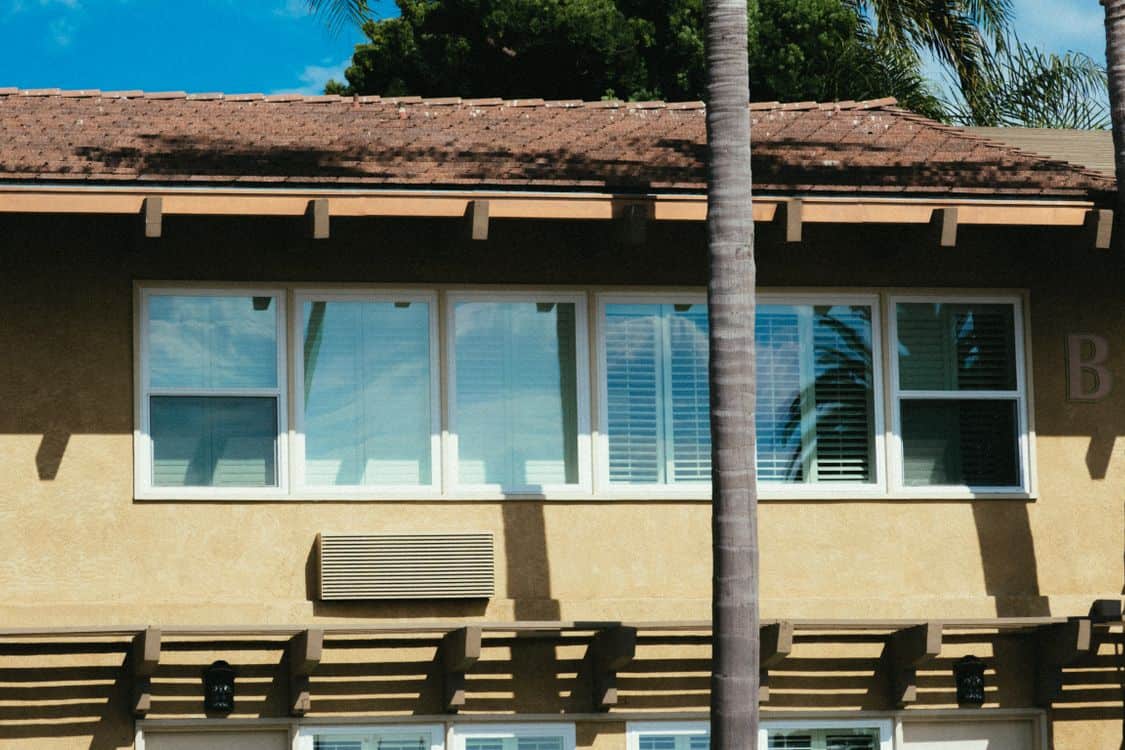
During heat events, being able to close every shutter on the house in under a minute matters more than people expect. Manual systems work fine on a normal day, but when the forecast turns and everyone is scrambling to secure their home before leaving for work, motorised control becomes less of a luxury and more of a practical necessity.
Retrofitting motors onto existing manual shutters has become one of the more common service requests this year, according to installers fielding calls in the aftermath of the January heat event. It is a smaller job than a full replacement and often cheaper than people assume, which makes it an easy upgrade for households that already have shutters but installed them before remote control was standard.
What Building Scientists Recommend for the Next Heat Event
The general advice from thermal performance researchers is consistent regardless of climate zone: shade the glass before the sun reaches it, ventilate at night when temperatures drop, and avoid relying solely on mechanical cooling to do the work that architecture should be doing instead.
Shutters fit neatly into that first recommendation, particularly on west-facing windows that catch the brunt of the afternoon sun. Homeowners who closed their shutters preemptively during the January heatwave reported noticeably cooler interiors compared to neighbours relying on curtains alone, even accounting for the usual bias in anecdotal comparisons.
With forecasters already flagging another warm summer ahead, the practical lesson from January is straightforward: shading decisions made now, before the next heat event arrives, will matter far more than anything done once the temperature is already climbing.