
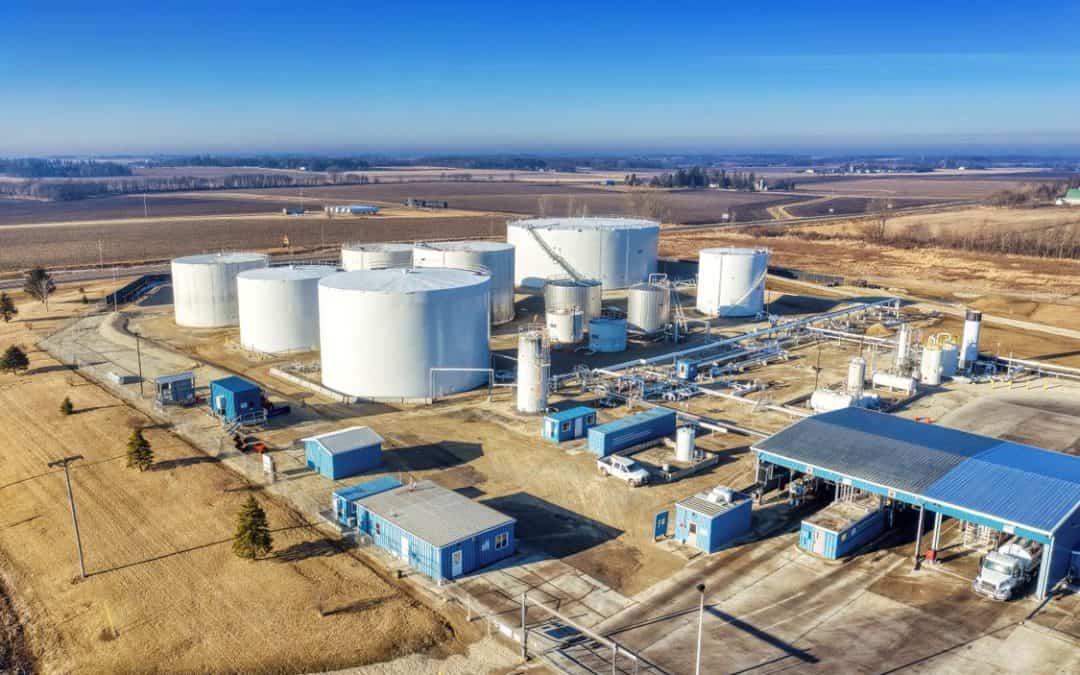
Ammonia is having a strange moment. The same molecule that has fed the world’s crops for a century is now being pitched as a clean shipping fuel, a hydrogen carrier, and a way to move energy across oceans. That reinvention is showing up as a wave of new plant construction across the United States.
Behind every one of those plants is a procurement list, and a surprising share of it is ordinary carbon steel vessel plate rather than anything exotic.
A building wave that is hard to ignore
The numbers are striking. Clean Energy Group counted 38 new planned ammonia facilities in the United States in a single year, many of them bundled with hydrogen production.
Not all of those projects will get built. The clean-ammonia thesis has had a bumpy ride, with some developers scaling back as subsidies shifted and costs proved stubborn.
But even a fraction of that pipeline represents a large amount of process equipment. Ammonia synthesis, storage, and handling all demand pressure vessels, tanks, and separators, and they demand a lot of them.
That is the part of the story that gets lost in the energy-transition headlines. A plant is not just a reactor. It is a sprawling collection of moderate-duty vessels and tankage, most of which never sees extreme temperature or pressure.
Why moderate-strength carbon plate does most of the work
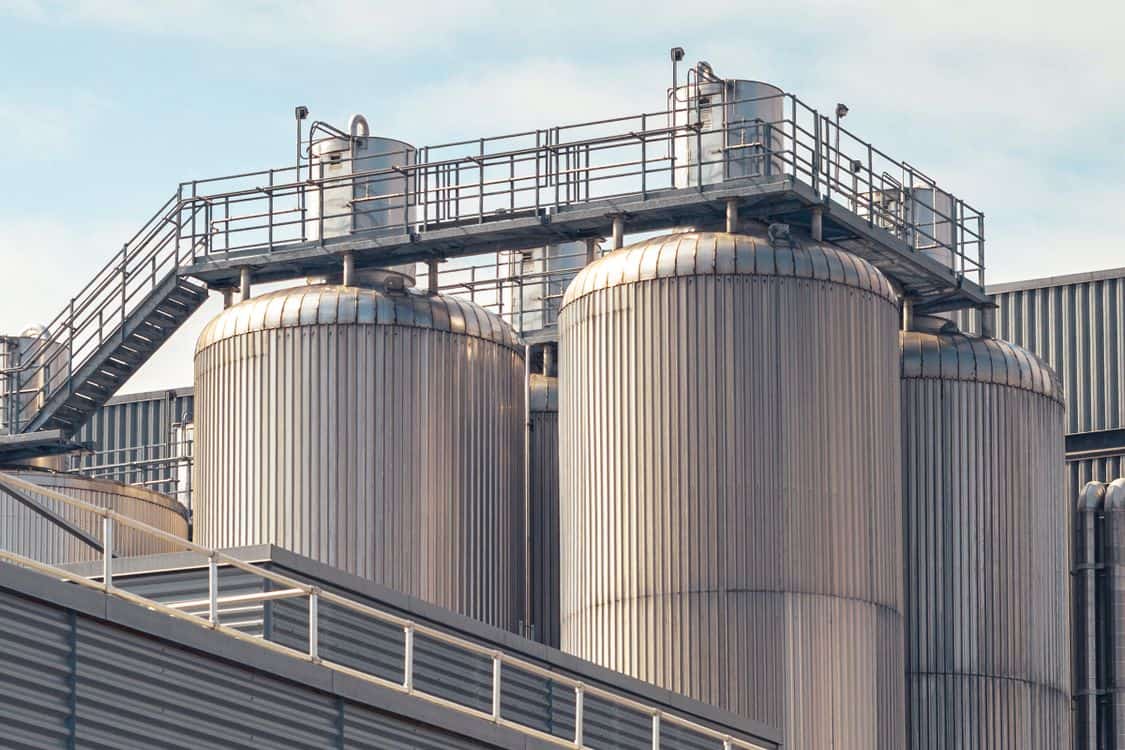
Engineers reserve premium materials for the parts of a plant that genuinely need them. The synthesis loop runs hot, and the refrigerated ammonia storage tank runs cold enough to need notch-tough, impact-tested steel.
Everything in between is where the workhorse plate lives. Process water tanks, air receivers, lower-pressure separators, surge drums, and assorted vessels operate in conditions where strength and pressure ratings are modest and toughness at deep cold is not the governing concern.
This is the duty a grade like ASTM A285 was written for. It covers low-to-intermediate tensile strength carbon steel plate for fusion-welded pressure vessels, the kind specified where the design conditions are moderate and a higher-strength alloy would be overkill.
The appeal is practical. Lower-strength carbon plate is easy to form, easy to weld, and widely available, which keeps both fabrication cost and schedule under control on projects that already carry plenty of risk elsewhere.
For a fabricator quoting a fertilizer or ammonia complex, that ordinariness is a feature. The moderate-duty plate is the material that lets the budget stretch to cover the genuinely demanding components.
What the pipeline means for plate buyers
The lesson for anyone buying or supplying carbon plate is to read the project pipeline rather than the press releases. Announced capacity and built capacity are different things, and the gap between them has been wide in clean ammonia.
Still, the underlying demand for fertilizer is not going anywhere, and conventional ammonia plants keep getting built and revamped regardless of the clean-fuel narrative. That floor under demand is what keeps moderate-duty vessel plate moving.
Buyers who track which projects have reached financial close, rather than which have merely been announced, are the ones who can time their plate orders sensibly. The rest risk either chasing material for projects that stall or scrambling late for ones that suddenly move.
There is also a quality dimension. Pressure vessel plate carries certification and inspection requirements even at the lower-strength end, and ordering plate without the right documentation can hold up a fabrication shop just as surely as a missing high-alloy heat.
The ammonia building wave may end up smaller than its boosters hope. But the steel underneath it is the same dependable carbon plate that has been quietly holding up industrial plants for decades, and demand for it tends to follow construction wherever it actually happens.