
People clean the parts of their lives they expect to be dirty. The bathroom gets scrubbed, the kitchen counter gets wiped, the floor gets vacuumed. The desk, somehow, escapes the same scrutiny entirely.
That oversight is harder to justify once you look at the research. Microbiologists who have sampled office surfaces consistently find that the desk is one of the filthiest places a person interacts with daily, despite looking perfectly clean.
The most-cited finding is bracing. Research out of the University of Arizona found that the average desktop carries 400 times more bacteria than the average toilet seat, a comparison that tends to change behavior the moment people hear it.
Why the Desk Outpaces the Toilet
The counterintuitive result has a simple explanation. The toilet seat gets disinfected regularly because everyone assumes it is dirty. The desk gets ignored because everyone assumes it is clean.
That assumption gap is the whole story. A surface that is never cleaned accumulates bacteria continuously, while a surface that is cleaned often stays relatively low, regardless of what either one started as.
The desk also receives a steady supply of fresh contamination. Hands that have touched doorknobs, phones, money, and faces land on it all day, and a large share of workers eat at their desks, depositing crumbs and moisture that give bacteria something to feed on.
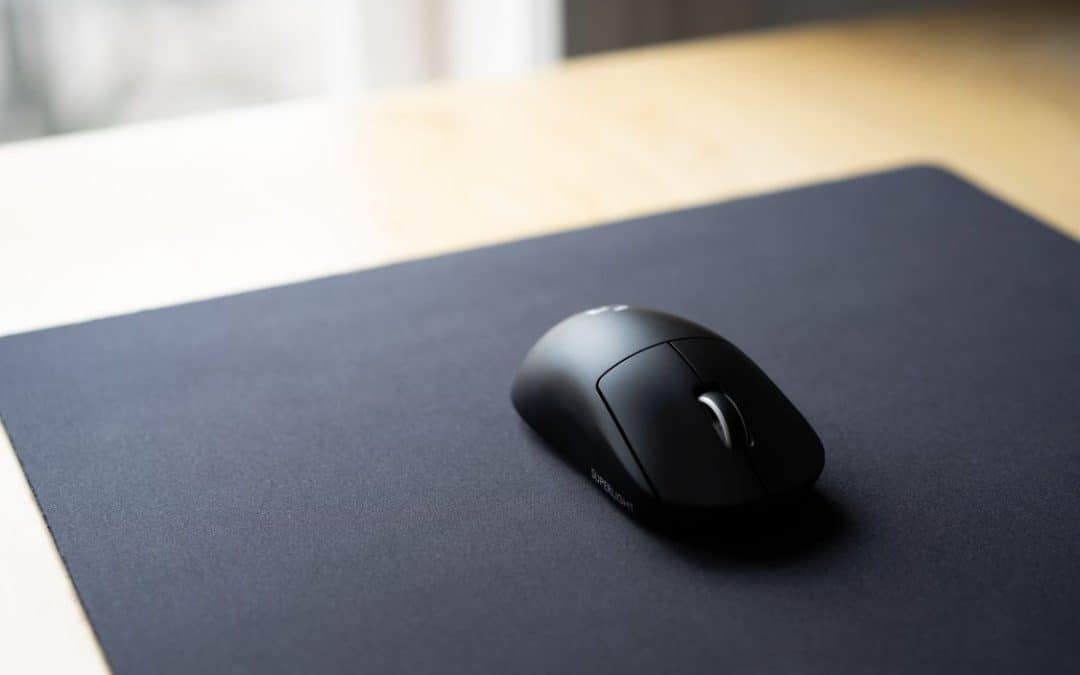
The surface under the mouse and keyboard is among the worst offenders precisely because the hands rest on it constantly. It is in continuous contact with skin, it traps debris, and it almost never gets wiped down.
The Mouse Pad Is a Worst-Case Surface
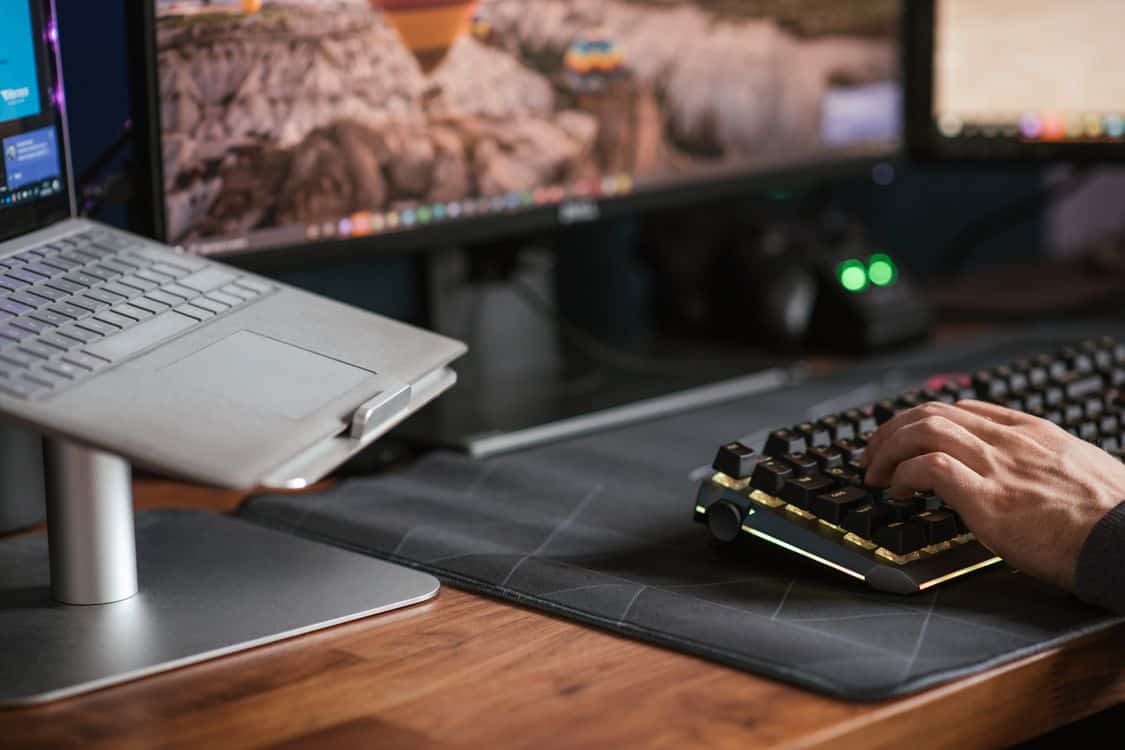
If you wanted to design a perfect bacterial habitat, you would build something close to a well-used cloth surface. It is soft, it holds warmth from the hands, and it absorbs the oils and moisture skin leaves behind.
Those qualities are exactly what make a fabric surface comfortable to use, and exactly what make it hospitable to microbes. Unlike a hard plastic surface that can be wiped in seconds, a cloth one quietly soaks up everything the hands deposit.
Most people have simply never thought to clean it. The pad gets used every day for years and never sees soap, which means it spends its entire life accumulating without ever resetting.
This is the practical takeaway from the bacteria research. The surface your hands spend the most time on is one of the surfaces you are least likely to ever clean, and that mismatch is worth fixing.
What a Sensible Cleaning Routine Looks Like
The good news is that the fix is trivial compared to the problem. A surface designed to be washable can be cleaned thoroughly without much effort, which removes the only real excuse for never doing it.
A reasonable rhythm is a quick surface wipe on a regular schedule and a deeper clean periodically, more often if you eat at your desk or share the space. The exact cadence matters less than simply having one, because the bacteria problem is driven by neglect rather than by any single missed cleaning.
For surfaces built to handle it, a proper wash resets the accumulation in a way a quick wipe cannot, lifting out the oils and debris that a surface swipe leaves behind. That is the difference between cleaning the symptom and cleaning the surface.
It is worth being clear about what the bacteria count does and does not mean. A high microbial load on a desk is not the same as a guaranteed illness; healthy skin is a good barrier, and most of what lives on a surface never causes a problem. The point is not to induce fear but to correct a blind spot in how people allocate their cleaning attention.
Shared and frequently used surfaces fare worst of all, which is relevant to anyone in a hot-desking office or a household where a setup gets used by more than one person. The more hands touch a surface, the more it accumulates, and the more a regular reset earns its place in the routine.
There is a food angle that makes it worse, too. A large share of people eat at their desks, dropping crumbs and moisture into exactly the soft surfaces that already trap whatever the hands leave behind. A surface that doubles as an occasional dining table and never gets washed is doing two dirty jobs at once.
The broader point is one of attention rather than alarm. Nobody needs to treat their desk like an operating theater. They just need to stop exempting it from the basic cleaning every other high-touch surface in their life already gets. The research has been clear for years. The surface under your hands is dirtier than you think, and it is one of the easiest things in your day to actually fix.