

A dryer vent that is starting to clog will first speak in small ways that are easy to miss if you are rushing from task to task. Paying attention to odd changes in drying performance, unfamiliar smells, or stray lint around the machine will save time and reduce risk.
Spotting these cues early allows you to act when a fix is still quick and cheap rather than waiting until the problem turns into a hazard.
Reduced Drying Performance
When clothes take longer to feel dry, the dryer is telling you something important about airflow and vent health. Poor airflow makes the drum work harder and garments may come out damp in the middle of a cycle or still cool to the touch at the end.
A quick test is to run a cycle with a few towels and pause to feel the vent exhaust; weak air flow is a classic sign of a restriction ahead. Small causes add up, so lint that clings inside the vent or a crimped duct can be the silent offender behind steady declines in drying power.
Clothes Come Out Hot Or Damp
When garments feel hotter than usual immediately after a cycle or remain damp in the center of thick items, airflow is likely impaired. The dryer may be trapping moist pockets that never fully exchange with fresh air, so some fibers stay wet even after the timer ends.
Test a familiar load and note the texture and temperature of fabric layers; inconsistency from one cycle to the next hints at a partial blockage. That uneven drying also shortens the life span of clothing by exposing textiles to repeated high heat that is not properly vented away.
Longer Drying Times
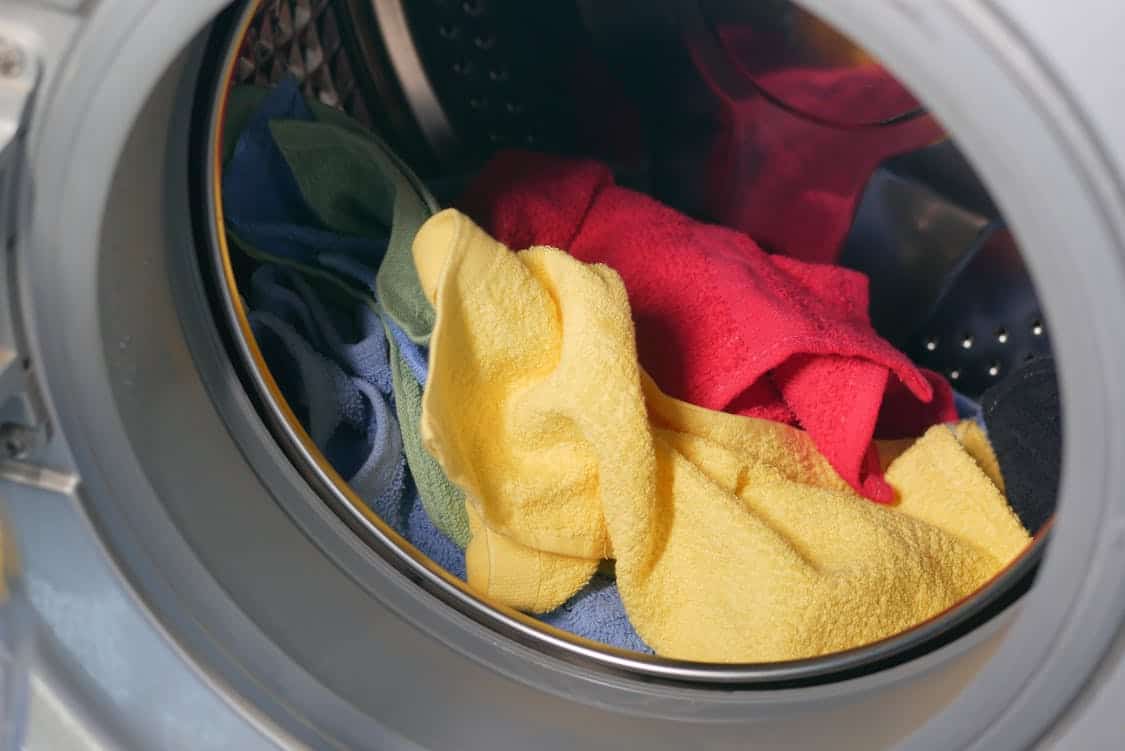
If a load that used to need forty minutes now needs an hour or more, that shift is not trivial and should prompt inspection. Increased run times strain the appliance and raise the chance of heat buildup in the cabinet or the vent path.
Homeowners can time identical loads on separate days to spot a pattern rather than assume a single long cycle is an anomaly. When longer cycles become routine, the hidden culprit is often trapped lint that blocks warm, moist air from exiting the system.
If you notice multiple warning signs, it’s a good idea to reach out to a local dryer vent cleaning company in Tampa FL before the issue becomes dangerous.
Excess Lint Around Dryer And Vent Openings
Finding piles of lint near the dryer or at the external vent cover is a red flag that flow is obstructed somewhere between the drum and the outside. Lint that settles around seals and on the floor suggests turbulent air flow and eddies forming where the pathway narrows.
A quick visual sweep after a few cycles will show if lint accumulation is increasing, which is easier to treat early on with a brush or vacuum. Left unattended, that build up can feed a fire or cause the dryer to overheat, so a small cleanup now beats a major repair later.
Strong Or Burning Odors
A sharp or sweet burning smell during operation is a signal to stop the machine and investigate right away. Lingering lint in the vent can reach high temperatures and give off scents that are different from the normal developing smell of warm laundry.
Sometimes the odor comes from fabric softener buildup on lint that then gets hotter than usual when airflow is limited. If you detect such smells, shut the dryer and check the lint trap and vent exit before running another cycle, because scent often precedes mechanical failure.
Excess Heat In The Laundry Room
Noticing that the laundry space becomes unusually warm while a load runs points to reduced exhaust efficiency. Heat that should be carried outside instead radiates back into the room when the vent path is compromised.
Owners can hold a hand near the vent outlet during operation to judge whether the expelled air feels strong and hot or weak and lukewarm. Persistent warm air where cool exhaust used to be is a practical indicator that lint or a collapsed duct is hampering the route to the exterior.
Dryer Runs Constantly Or Cycles Frequently
A dryer that seems to run forever, or that stops and starts more than it used to, may be reacting to sensors that detect lingering moisture or elevated internal temperature. Many modern machines try to reach a preset dryness level and will extend cycles when vent resistance prevents rapid evaporation.
If the appliance cycles unusually often or does not complete normal programs, test it on timed settings and watch how the machine responds. These odd behaviors point the finger at airflow problems rather than faults with the drum or motor most of the time.
Increased Energy Use And Unusual Noises
A clogged vent forces the dryer to work harder and the result shows up on energy bills and in strange sounds during operation. You might hear rattles or a muffled roar that were not there before, which can come from air pushing past lint clumps or from an overloaded blower trying to compensate.
Comparing utility use for laundry over a month can reveal creeping inefficiency that coincides with other signs such as longer cycles and excess heat. That pattern of higher consumption paired with new noises is a practical nudge to pull the vent or call a pro and nip the problem in the bud.