
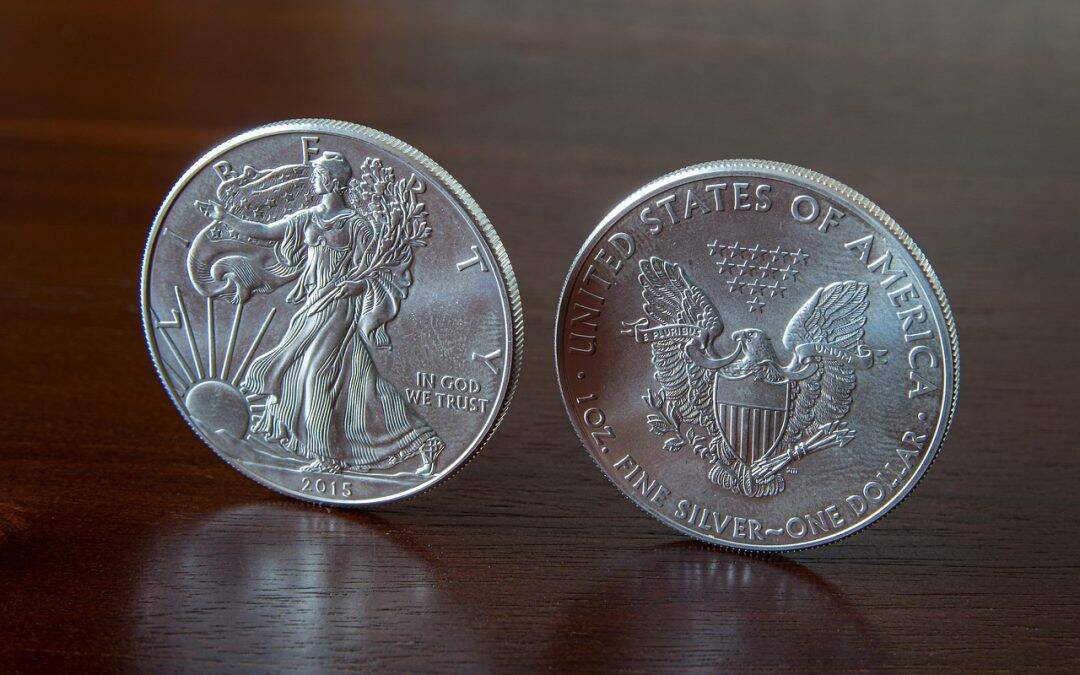
Silver offers two distinct paths for ownership and for investors each route brings a set of trade offs that shape risk and reward. One path leads to metal you can hold in your hand while the other attaches to paper claims traded on exchanges or over the counter.
Choosing between the two calls for a clear view of costs, safety, liquidity and personal intent for holding the asset. The sections that follow break down key differences in a pragmatic way so readers can weigh options against their own time horizon and appetite for hassle.
What Physical Silver Means
Physical silver refers to coins, bars and rounds that an owner can take possession of and store privately or in a vault. This form removes much of the counterparty complexity since ownership is direct and tangible, and many people find comfort in something they can see and touch.
Storage brings routine chores such as insurance decisions, security measures and transport logistics that add to total cost of ownership. When selling, physical metal often trades at a premium to spot and needs a buyer willing to meet weight and purity expectations.
What Paper Silver Means
Paper silver covers exchange traded funds, futures contracts and other instruments that represent silver without moving metal from vault to hand. These products trade with speed on public markets and can offer exposure to price moves while avoiding storage and insurance chores tied to physical holdings.
Paper instruments introduce reliance on custodians, clearing houses and issuer practices which create layers of operational risk that differ from theft or misplacement risk. Some of these instruments promise full backing with metal while others use derivatives and leverage that change payoff profiles over time.
How Prices Are Formed And What Moves Them
Price discovery for both forms relies on a global spot market that reflects supply, demand and speculative flows in real time. When physical demand surges it often widens premiums above the base spot rate as dealers and mints adjust for stock and delivery constraints.
During these periods, investors often weigh the question is a commodity rally underway? since broad-based strength in metals frequently influences silver investment flows.
Futures markets add another layer where rolling contracts and financing costs push implied prices into patterns that traders study for signals about short term tightness or abundance. Macro forces such as currency moves, interest rate shifts and industrial demand can swing sentiment and set the tone for both paper and physical quotations.
Storage And Security Choices For Physical Metal
Deciding where to keep metal forces a trade off between convenience and cost because home safes reduce ongoing fees while vault storage offers professional security and insurance. Professional vaults and depositories often provide audit trails, segregation options and logistics services that ease transfer at sale time but those features come at a recurring fee.
Home storage removes counterparty exposure but raises questions about theft risk, family access and estate planning that require practical solutions. Carrying insurance or splitting holdings between locations spreads risk in a way that keeps one hand on the wheel and one eye on safety.
Liquidity And Ease Of Buying Or Selling

Paper instruments tend to trade in deep markets with tight spreads so entering and exiting a position can be quick and cheap for many investors. Physical pieces can be sold through local dealers, online platforms or at auction where transaction friction, authentication and shipping add steps that extend turn around time.
Large trades in physical metal sometimes require multiple counterparties and can move local premiums sharply, while futures and ETFs let big orders clear via central counterparties at scale. The true cost of liquidity is thus a blend of explicit fees and the time and hassle of completing a trade.
Counterparty Risk And Transparency In Paper Products
When accepting a paper claim, the holder relies on contracts, custodians and oversight frameworks to match the promise with reality at settlement. Some certificates represent allocated metal held in segregated accounts that are visible in audits and statements, while others offer unallocated claims that rank as an unsecured exposure to the issuer.
Contract language, audit frequency and regulatory environment all shape how easy it is to vet the promise being made to investors. A well written prospectus paired with independent verification can help an investor sleep easier than one based on vague assurances.
Cost Layers That Affect Net Returns
Total cost for physical ownership includes dealer markup, minting premiums, sales taxes where applicable, secure storage fees and shipping expenses which add up over a multi year holding period.
For paper routes the visible fees are management expenses, expense ratios and brokerage charges while hidden costs can appear in bid ask spreads, roll yields and short term financing dynamics.
Both paths can erode gains more quickly than raw spot moves suggest so duration and turnover matter when projecting net performance. Small differences in costs stack over time, so doing the math with real fee examples helps expose the true economics.
Tax Rules And Reporting For Silver Investments
Tax treatment shifts by jurisdiction and by the form of silver owned because some places tax precious metals as collectibles while others treat gains as capital. Paper instruments can create different reporting events such as annual distributions, margin calls or deemed sales on swaps that trigger taxable events at odd moments.
Holding physical metal triggers other administrative tasks like tracking cost basis for each lot and documenting provenance for future sales. Professional tax advice and careful record keeping reduce surprises when tax time arrives and make the path of least resistance clearer.
How To Align Choice With Investment Goals
If the aim is a long term hedge that sits quietly in a safe for years, physical metal answers a psychological need for control and direct ownership that paper often cannot match. If swift trading, portfolio rebalancing and low friction access are the priority then paper instruments offer tools that keep capital flexible and positions nimble.
Investors focused on income generation or complex strategies might lean toward paper options that plug into a larger trading toolbox, while those who seek disaster insurance like a spare key often prefer bars and coins. Matching the instrument to the plan reduces second guessing and keeps focus on what the silver holding is meant to achieve.
Steps To Compare Offers And Providers
Start by listing the attributes that matter most such as fees, delivery options, insurance coverage and documented backing to create a simple scoring sheet with apples to apples fields. Request audit reports, sample custody agreements and proof of track record from providers and check for independent verification of holdings where possible.
Run the numbers for a hypothetical holding period that includes buy and sell events so the full cost picture becomes visible across scenarios. Trust your instincts and look at reputations in the market because paperwork is only part of the story and a credible partner often smooths the bumps.