

Small leaks are an easy way for water, cash, and patience to slip through your hands. Catching a drip early keeps a tiny problem from growing into a bill you did not bargain for, and it often saves time on repair work later.
This article walks through practical steps to spot, fix, and limit leaks so your monthly outlay shrinks and your home runs smoother.
Spotting Leaks Early
A little detective work pays off: check sous sinks, basements, and behind appliances for damp spots that look out of place. Run a quick meter test by shutting off all taps and watching the water meter for movement — that single n-gram test often reveals hidden flow.
Watch ceilings and walls for stains or paint blisters that point to slow seepage from pipes above, since slow leaks leave a trail over time. Acting fast with small fixes can stop a drip becoming a flood, saving money and hassle.
Checking Fixtures And Fittings
Faucets, showerheads, and hose bibs are frequent leak sources because washers and seals wear down from use. Tighten loose nuts and replace worn rubber washers; a new washer can halt a drip and keep the sound of running water out of your day.
Thread tape on threaded joints and snug compression fittings where threads meet, and test under pressure so you spot any loss after repair. Small parts cost little and often return their value in a single lower month’s water bill.
Fixing Dripping Faucets
A dripping tap wastes water and patience, and the cause is usually a worn seat, O-ring, or cartridge inside the valve. Turn off the supply, dismantle the handle, and inspect for obvious wear — take the old part to a hardware store if you doubt the right replacement name.
Swap in matched parts, reassemble, then test the tap at normal pressure to confirm the drip stopped; test the drip rate with a cup and timer if you want numbers to compare. The fix is typically quick, cheap, and keeps your sink from sounding like a metronome.
Diagnosing Hidden Pipe Leaks
When water shows up where pipes are hidden, the challenge is tracking the path without tearing out whole walls or floors. Use visual cues like staining and warped drywall, pair those with meter checks and timed water runs, and probe areas where lines converge; small clues lead you to the leak zone.
Thermal cameras or moisture meters give extra clues if you have them, and tape or paper towels under suspicious joints can catch slow weeps. Pinpointing the source narrows the scope of repair and trims labor costs.
Managing Appliance-Related Leaks
Washing machines, dishwashers, and hot water heaters can spring leaks at hoses, seals, or tank joints, and appliance leaks often show up at the floor rather than the unit. Inspect rubber supply lines for cracks and bloating, check clamps on hose connections, and watch for pooling or rust near valves; replace aging parts proactively.
Run an empty cycle and watch the floor and fittings, and swap flexible lines for braided stainless where possible to cut the odds of sudden failure. A well-kept appliance is less likely to surprise you with a wet floor and a surprise bill.
Upgrading Old Plumbing Components
Old pipes and valves have a finite life, and when they go, they can throw cash down the drain fast via steady leakage or sudden breach. Replace corroded valves, aging flexible hoses, and dated fixtures with newer parts that fit modern standards, and pick materials that match your local water chemistry to reduce corrosion.
A planned replacement rather than emergency swaps often saves on labor and gives you time to shop for good parts and fair quotes. Think of upgrades as preventive spending that smooths future months and lowers risk.
Improving Water Use Habits
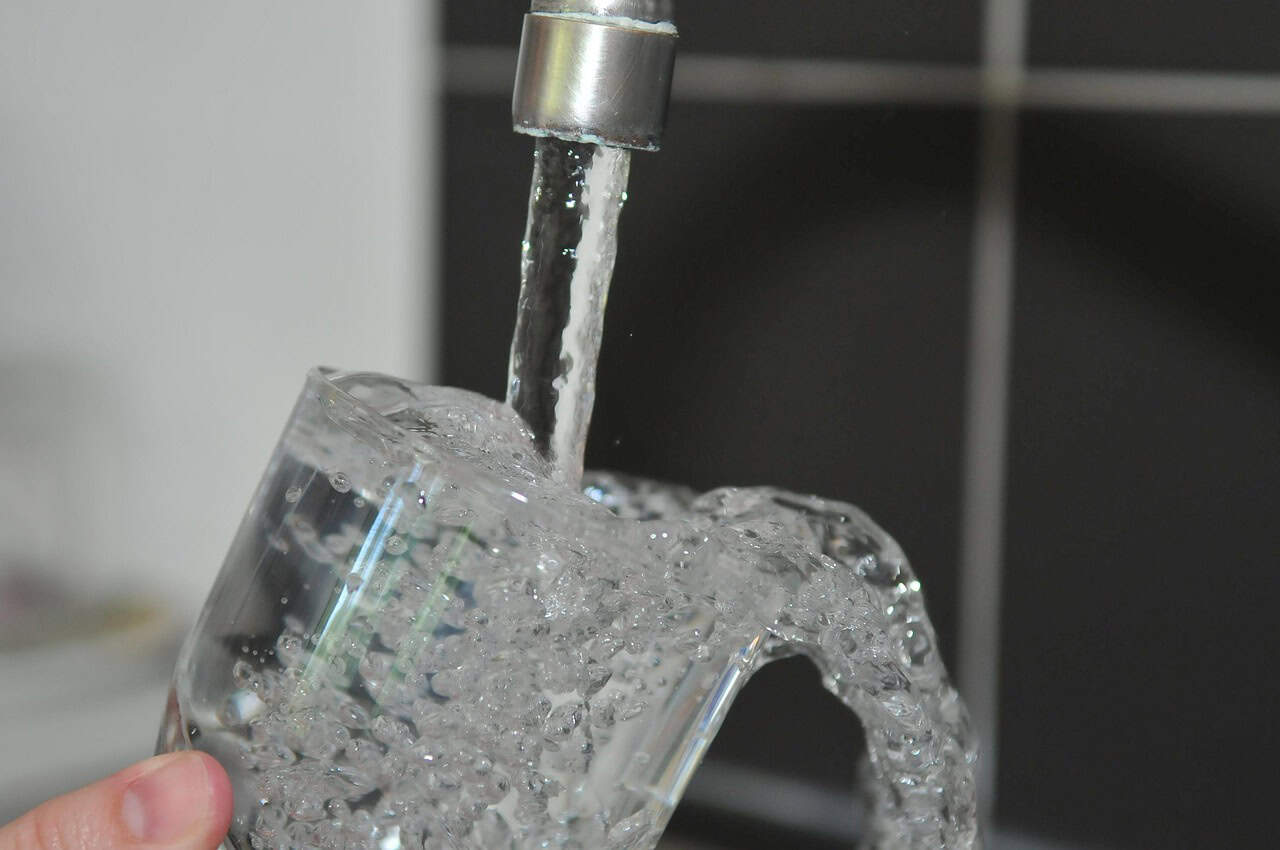
Simple daily habits add up: turn the tap off while brushing teeth, take shorter showers, and run full dishwasher or laundry loads instead of partial ones. Fixes to fixtures go hand in hand with habit tweaks, because saving water at the tap multiplies across time and households, cutting what shows up on the water bill.
Keep a small pitcher near the sink to catch cold-run water for plants, and make quick leak checks part of the monthly routine to catch new issues early. Little shifts in routine can be the difference between a steady bill and an unwelcome spike.
Tracking Savings And Household Bills
Keep a simple log of water usage and bills, annotate dates when leaks were fixed, and compare month-to-month numbers to see the real impact of repairs and behavior changes. Small changes often show up as subtle shifts first, then larger savings as multiple fixes add together; a baseline and follow-up checks help quantify gains.
If you’re trying to see the difference your efforts make, compare your numbers to the average water bill in your area to gauge whether your home is using more or less than typical households.
Include notes about weather, guests, or projects that might spike use so you can tell an anomaly from a trend, and use that data when choosing the next repair or upgrade. Over time the scorecard helps you focus resources where the biggest leaks and the biggest wins live.
When To Call A Plumber
Some issues call for tools and training beyond a homeowner’s toolbox, like major buried pipe failures, sewer line backups, or complex hot water systems. If troubleshooting points to a main line, repetitive repairs, or you find structural damage, a licensed tradesperson brings diagnostics, permits, and safe fix plans that a weekend fix cannot match.
Get at least two estimates and ask about warranty on both parts and labor so the repair stands up over time, and keep a record of work for future reference. Calling in help at the right moment prevents quick fixes from becoming repeated costs.